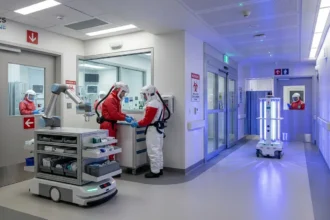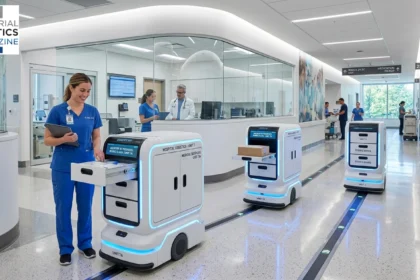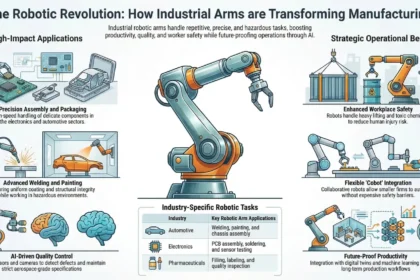
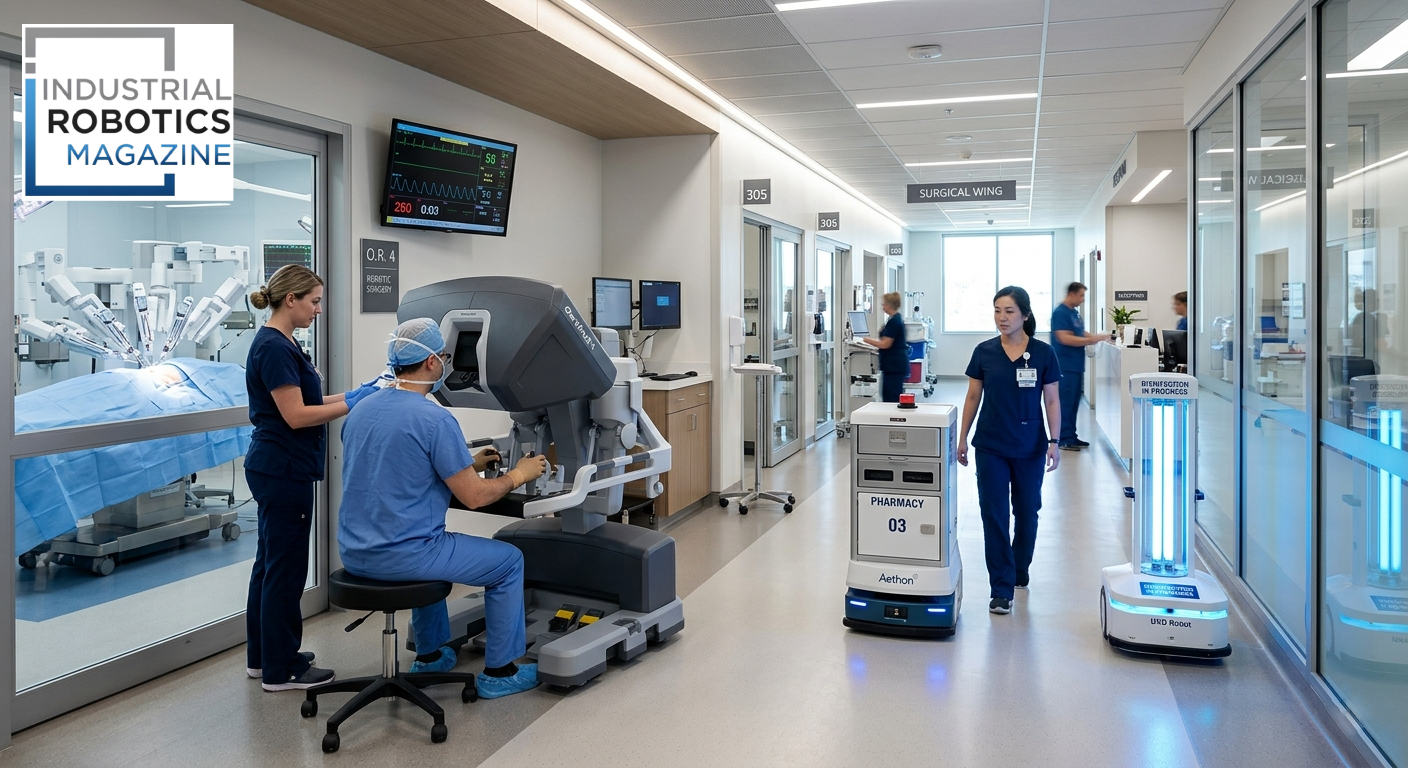
Hospitals today are under extreme pressure—staff shortages, rising patient demand, and increasing expectations for faster, safer care. Traditional systems are struggling to keep up. The solution? Robotics.
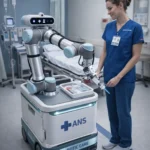
Healthcare robots are used in hospitals to assist with surgeries, transport supplies, disinfect spaces, and support patient care. These robots improve efficiency, reduce human error, and allow healthcare workers to focus on critical tasks, making modern healthcare facilities safer and more effective.
Additionally, the healthcare industry is becoming more complex as populations grow and medical needs increase. Hospitals must manage large volumes of patients while maintaining high standards of care. However, relying solely on human labour can create bottlenecks, delays, and inconsistencies in service delivery. This is especially true when staff are required to perform repetitive tasks such as transporting equipment or sanitizing rooms.
Furthermore, robotics helps reduce the physical and mental strain on healthcare workers. By automating routine and time-consuming tasks, hospitals can improve employee productivity and job satisfaction. As a result, healthcare professionals can dedicate more time to patient interaction, diagnosis, and treatment, which are areas where human expertise is most valuable.
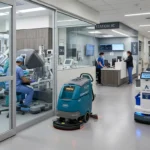
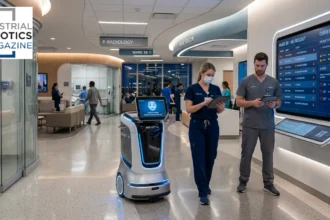
In addition, robots contribute to safer healthcare environments. For example, disinfection robots can clean rooms more consistently than manual methods, reducing the spread of infections. Similarly, delivery robots minimize unnecessary contact between staff and patients, which is especially important during outbreaks or high-risk situations.
As technology continues to evolve, robotics is becoming a key component of modern healthcare systems. Hospitals that adopt robotic solutions are better equipped to handle increasing demand, improve operational efficiency, and deliver higher-quality patient care.
What Are Healthcare Robots?
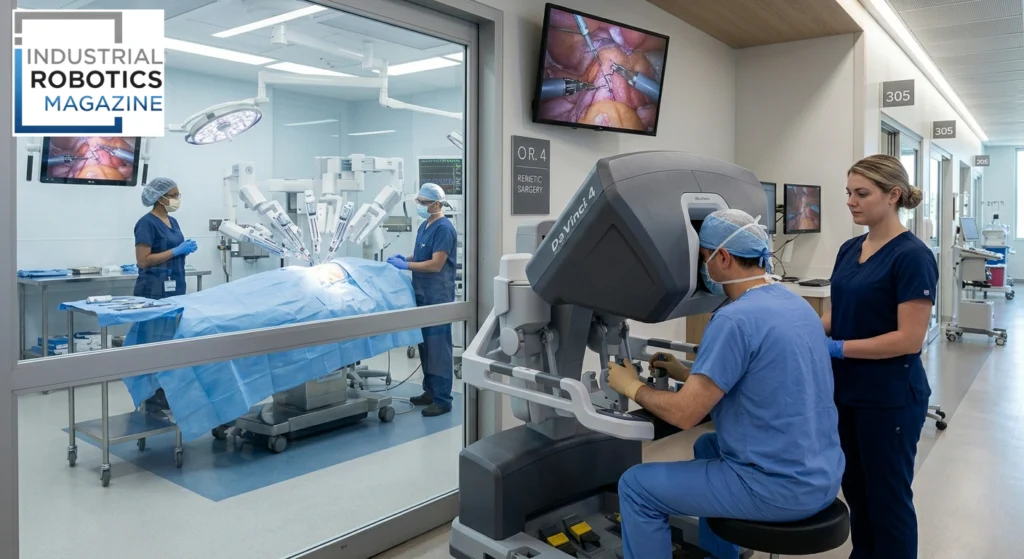
Healthcare robots are intelligent machines designed to assist medical professionals in performing tasks more efficiently and safely. These robots can operate autonomously or alongside humans using artificial intelligence, sensors, and advanced software.
In addition, these robots are designed to handle a wide range of functions, from highly specialized surgical procedures to basic support tasks such as transporting supplies. Their ability to adapt to different environments makes them highly valuable in hospitals, where conditions can change quickly and unpredictably.
Furthermore, healthcare robots rely on advanced technologies such as machine learning and real-time data processing. This allows them to continuously improve their performance over time
Common Types of Healthcare Robots:
- Surgical robots – Assist doctors in precise procedures
- Disinfection robots – Clean and sterilize hospital rooms
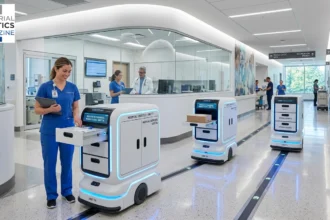
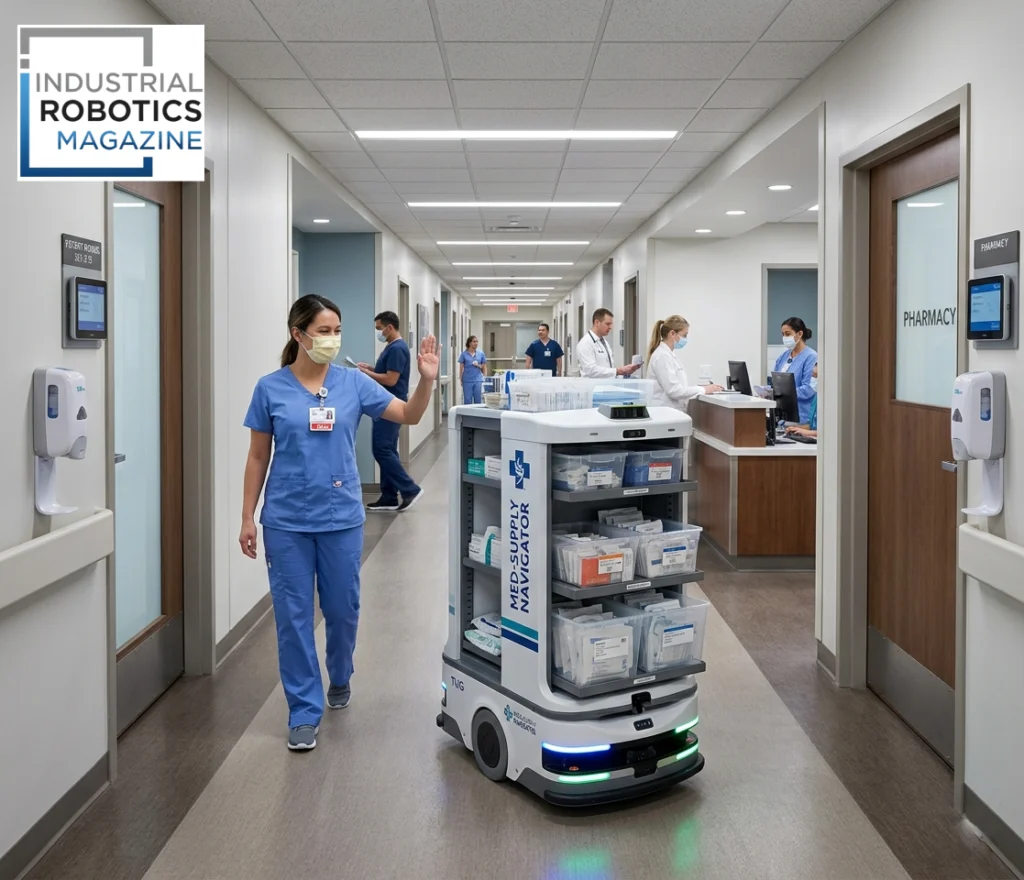
- Delivery robots – Transport medicine and supplies
- Telepresence robots – Enable remote consultations
- Rehabilitation robots – Help patients recover mobility
These robots are now being used in hospitals, clinics, and long-term care facilities worldwide.
How Are Robots Used in Healthcare Facilities?
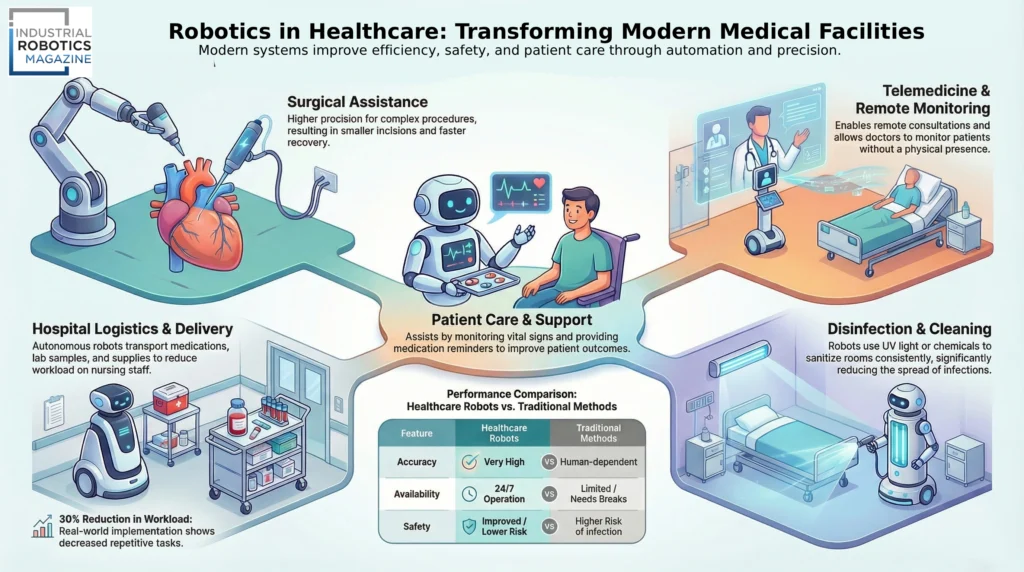
Healthcare robots are transforming multiple areas within hospitals. Here’s how they are making an impact:
1. Surgical Assistance
Robotic systems help surgeons perform complex procedures with higher precision.
Benefits:
- Smaller incisions
- Reduced recovery time
- Lower risk of complications
2. Hospital Logistics and Delivery
Robots transport:
- Medications
- Lab samples
- Food and supplies
This reduces the workload on nurses and improves efficiency.
3. Disinfection and Cleaning
Autonomous robots use UV light or chemicals to sanitize hospital rooms.
Why this matters:
- Reduces infection spread
- Improves patient safety
- Ensures consistent cleaning
4. Patient Care and Monitoring
Some robots assist with:
- Monitoring vital signs
- Reminding patients to take medication
- Providing companionship
5. Telemedicine Support
Telepresence robots allow doctors to:
- Consult patients remotely
- Monitor conditions without physical presence
- Improve access to healthcare
What Are the Benefits of Healthcare Robots?
Healthcare facilities are adopting robotics because of the measurable advantages.
Key Benefits:
- Increased Efficiency: Faster task completion
- Improved Accuracy: Reduced human error
- 24/7 Operation: Robots don’t need breaks
- Enhanced Safety: Lower risk of infection and injury
- Cost Savings: Long-term operational efficiency
Healthcare Robots vs Traditional Methods
| Feature | Healthcare Robots | Traditional Methods |
|---|---|---|
| Efficiency | High | Moderate |
| Accuracy | Very High | Human-dependent |
| Availability | 24/7 | Limited |
| Safety | Improved | Higher risk |
| Cost (Long-Term) | Lower | Higher |
Real-World Example: Robots in Action
A large hospital implemented delivery and disinfection robots to improve operations.
Results:
- 30% reduction in staff workload
- Faster delivery of medications
- Improved sanitation and infection control
Healthcare workers were able to focus more on patient care instead of repetitive tasks.
How Do Hospitals Implement Robotics?
Introducing robots into healthcare requires planning and strategy.
Step-by-Step Process:
- Assess Needs: Identify inefficiencies
- Set Goals: Define what to automate
- Choose Technology: Select the right robots
- Integrate Systems: Connect with hospital software
- Train Staff: Ensure smooth adoption
- Monitor Performance: Optimize continuously
Challenges of Using Robots in Healthcare
While beneficial, robotics also comes with challenges:
- High initial cost
- Training requirements
- Integration complexity
- Resistance to change
However, most hospitals find that the long-term benefits outweigh these issues.
Future of Robots in Healthcare
Healthcare robotics is rapidly evolving.
Emerging Trends:
- AI-powered diagnostics
- Fully automated hospitals
- Human-robot collaboration (cobots)
- Remote robotic surgeries
In the future, robots will play an even bigger role in improving patient care and hospital efficiency.
Final Verdict
Healthcare robots are no longer optional—they are becoming essential. From surgery to sanitation, these technologies are transforming how hospitals operate. Facilities that adopt robotics gain a competitive advantage through improved efficiency, safety, and patient outcomes.
FAQ Section
1. What are healthcare robots used for?
They are used for surgery, delivery, cleaning, patient monitoring, and remote consultations.
2. Do robots replace doctors and nurses?
No, they assist healthcare professionals by handling repetitive tasks.
3. Are healthcare robots expensive?
They require upfront investment but save money in the long run.
4. Are robots safe in hospitals?
Yes, they are designed with safety features and strict regulations.
5. What is the future of healthcare robotics?
More automation, AI integration, and improved patient care systems.