Warehouses are evolving rapidly as businesses adopt advanced technologies to meet increasing demand for faster delivery and greater efficiency. One of the most significant innovations driving this transformation is warehouse robotics. From automating repetitive tasks to improving accuracy and safety, robots are becoming essential in modern warehouse operations.
In today’s competitive logistics environment, companies are turning to robotics to streamline workflows, reduce operational costs, and enhance productivity. As e-commerce continues to grow, warehouses must handle higher volumes of inventory while maintaining speed and precision. Robotics provides a scalable solution to these challenges.
What is Warehouse Robotics?
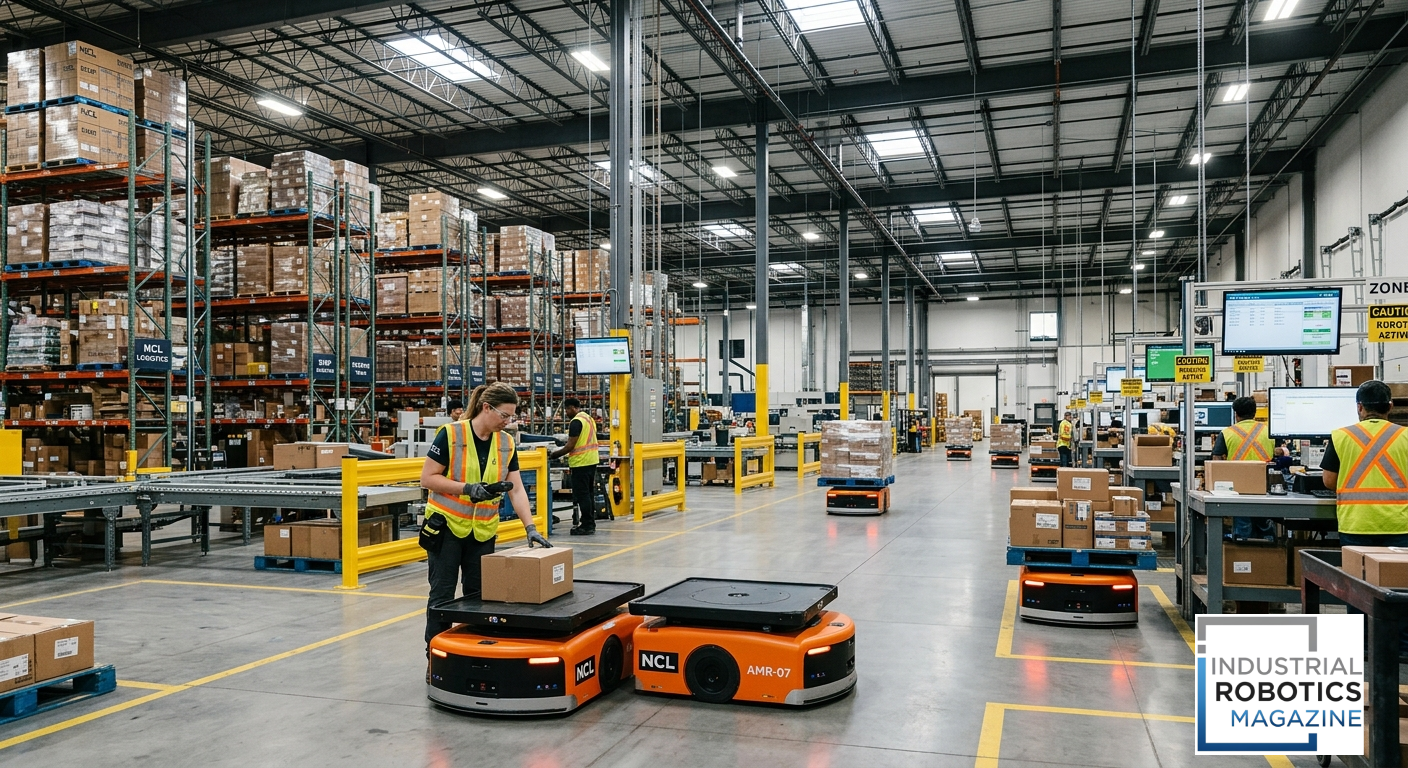
Warehouse robotics refers to the use of automated machines designed to perform tasks such as picking, packing, sorting, and transporting goods within a warehouse environment. These robots can operate autonomously or work alongside human employees to improve efficiency.
Modern warehouse robots are equipped with technologies such as artificial intelligence (AI), sensors, and computer vision. As a result, they can navigate complex environments, identify objects, and make real-time decisions. This allows warehouses to operate more efficiently while minimizing human error.
Key Types of Robots Used in Warehouses
1. Autonomous Mobile Robots (AMRs)
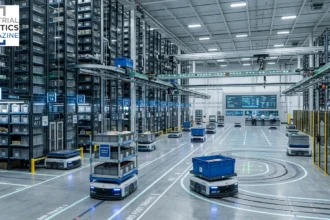
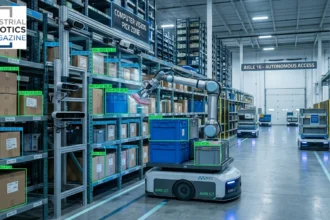
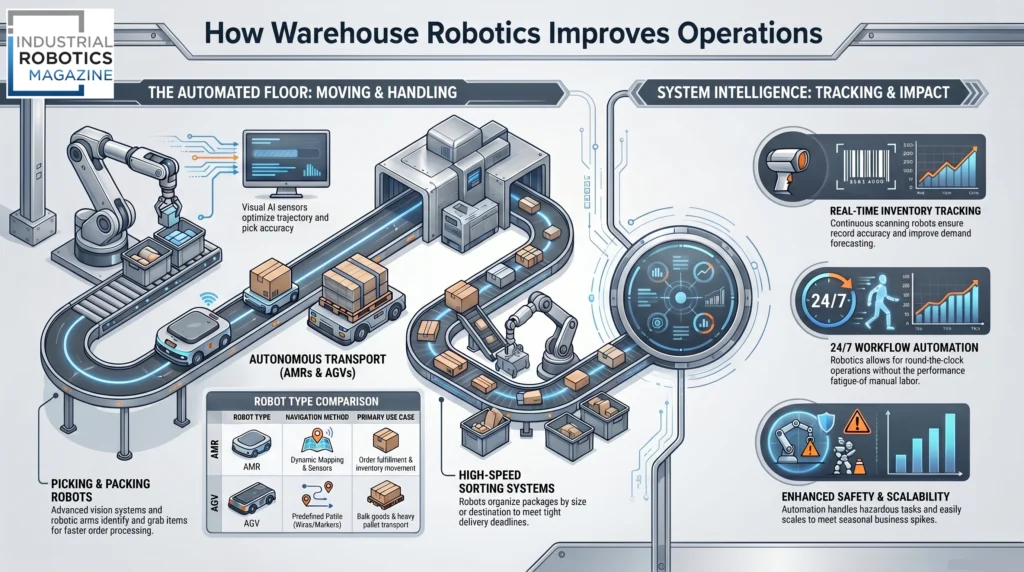
Autonomous mobile robots are widely used in warehouses to transport goods from one location to another. Unlike traditional automated systems, AMRs can navigate dynamically using sensors and mapping technology.
Common uses:
- Moving inventory across warehouse floors
- Assisting with order fulfillment
- Reducing manual labor
These robots help improve workflow efficiency by minimizing unnecessary movement and reducing delays.
2. Picking and Packing Robots
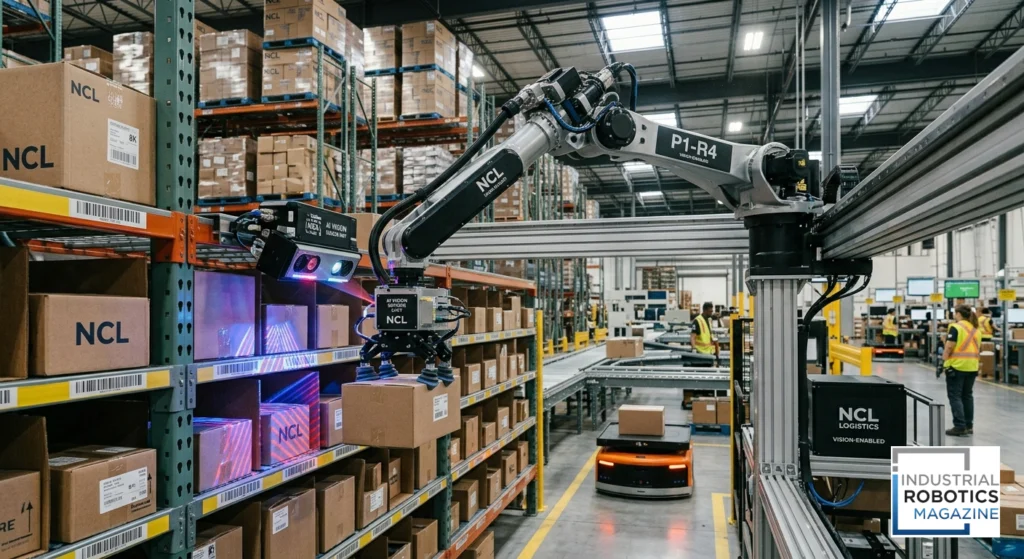
Picking robots use advanced vision systems and robotic arms to identify, grab, and move items. These robots are especially useful in high-volume warehouses where speed and accuracy are critical.
Benefits:
- Faster order processing
- Reduced picking errors
- Improved consistency
By automating the picking process, warehouses can significantly increase throughput while maintaining accuracy.
3. Sorting Robots
Sorting robots are designed to organize packages based on destination, size, or priority. They are commonly used in distribution centers handling large volumes of orders.
Advantages:
- Increased sorting speed
- Improved order accuracy
- Reduced human workload
These robots ensure that packages are efficiently routed, helping companies meet tight delivery deadlines.
4. Automated Guided Vehicles (AGVs)
Automated guided vehicles follow predefined paths using markers, wires, or sensors. They are typically used for transporting heavy loads across warehouse facilities.
Key functions:
- Moving pallets and bulk goods
- Supporting inventory replenishment
- Enhancing warehouse safety
AGVs reduce the need for manual transportation and help maintain a consistent flow of materials.
5. Inventory Management Robots
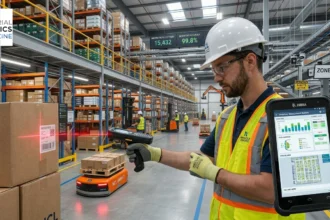
Inventory robots use scanning technologies to track stock levels and ensure accurate inventory records. They can operate continuously, providing real-time data to warehouse management systems.
Key benefits:
- Improved inventory accuracy
- Reduced stock discrepancies
- Better demand forecasting
These robots help businesses maintain optimal inventory levels and avoid costly errors.
Benefits of Warehouse Robotics
1. Increased Efficiency
Robots can work continuously without fatigue, allowing warehouses to operate around the clock. This significantly increases productivity and reduces processing time.
2. Improved Accuracy
Automation minimizes human error in tasks such as picking, packing, and inventory tracking. This leads to fewer mistakes and better customer satisfaction.
3. Cost Reduction
Although initial investment costs may be high, robotics reduce long-term operational expenses by lowering labor costs and improving efficiency.
4. Enhanced Safety
Robots can handle hazardous or physically demanding tasks, reducing the risk of workplace injuries. This creates a safer environment for employees.
5. Scalability
Warehouse robotics systems can easily scale with business growth, allowing companies to adapt to increasing demand without major disruptions.
Emerging Trends in Warehouse Robotics
The future of warehouse robotics is being shaped by rapid technological advancements. Several trends are expected to play a major role in the coming years:
- AI-powered decision-making systems
- Collaborative robots (cobots) working alongside humans
- Integration with Internet of Things (IoT) devices
- Fully automated smart warehouses
These innovations will enable warehouses to become more intelligent, responsive, and efficient.
Challenges of Implementing Warehouse Robotics
Despite the benefits, there are some challenges associated with adopting warehouse robotics:
- High initial investment costs
- System integration complexities
- Employee training requirements
- Maintenance and technical support needs
However, as technology continues to advance, these challenges are becoming easier to manage.
Final Thoughts
Warehouse robotics is transforming the logistics industry by improving efficiency, accuracy, and scalability. As businesses continue to face increasing demand, automation will play a crucial role in optimizing operations and maintaining competitiveness.
By adopting robotics, warehouses can streamline processes, reduce costs, and deliver better service to customers. In the future, fully automated warehouses will become more common, driven by advancements in AI and smart technologies.
FAQ Section
1. What is warehouse robotics?
Warehouse robotics involves using automated machines to perform tasks such as picking, packing, sorting, and transporting goods.
2. How do robots improve warehouse efficiency?
Robots increase speed, reduce errors, and allow warehouses to operate continuously, improving overall productivity.
3. What are the most common robots used in warehouses?
Common types include autonomous mobile robots (AMRs), picking robots, sorting robots, AGVs, and inventory robots.
4. Are warehouse robots expensive?
They require a high initial investment but reduce long-term operational costs through improved efficiency.
5. What is the future of warehouse robotics?
The future includes AI-driven automation, smart warehouses, and increased collaboration between humans and robots.