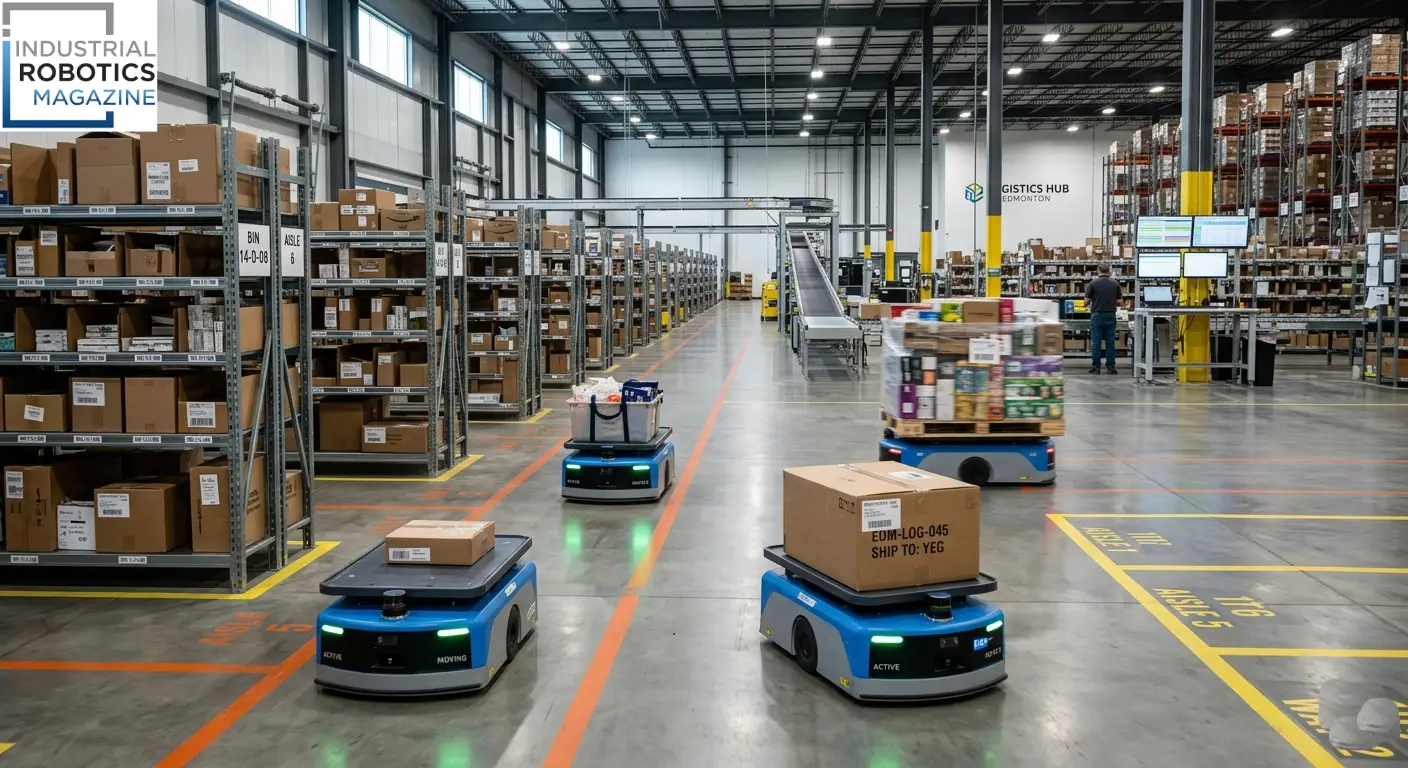
Warehouse automation is rapidly transforming supply chain operations. One of the most effective technologies driving this change is Autonomous Mobile Robots (AMRs). Businesses are increasingly adopting AMRs to improve efficiency, reduce labor costs, and handle growing order volumes.
If you are considering how to implement autonomous mobile robots in warehouses, this guide explains the step-by-step process, key considerations, and best practices for a successful deployment.
What Are Autonomous Mobile Robots in Warehouse Automation?
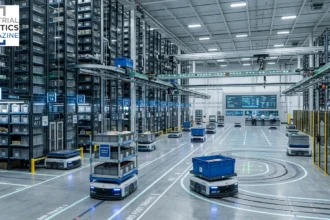
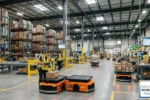
Autonomous mobile robots for warehouses are intelligent robots that navigate facilities without fixed paths or tracks. Unlike traditional automated vehicles, AMRs use sensors, cameras, and artificial intelligence to map their environment and move safely around workers and obstacles.
These robots are commonly used for:
- Transporting inventory between warehouse zones
- Supporting goods-to-person picking systems
- Moving pallets from receiving to storage areas
- Assisting in order fulfillment and packaging operations
Because of their flexibility, AMR warehouse automation solutions are becoming a preferred alternative to traditional conveyor systems and automated guided vehicles.
Step 1: Assess Warehouse Operations
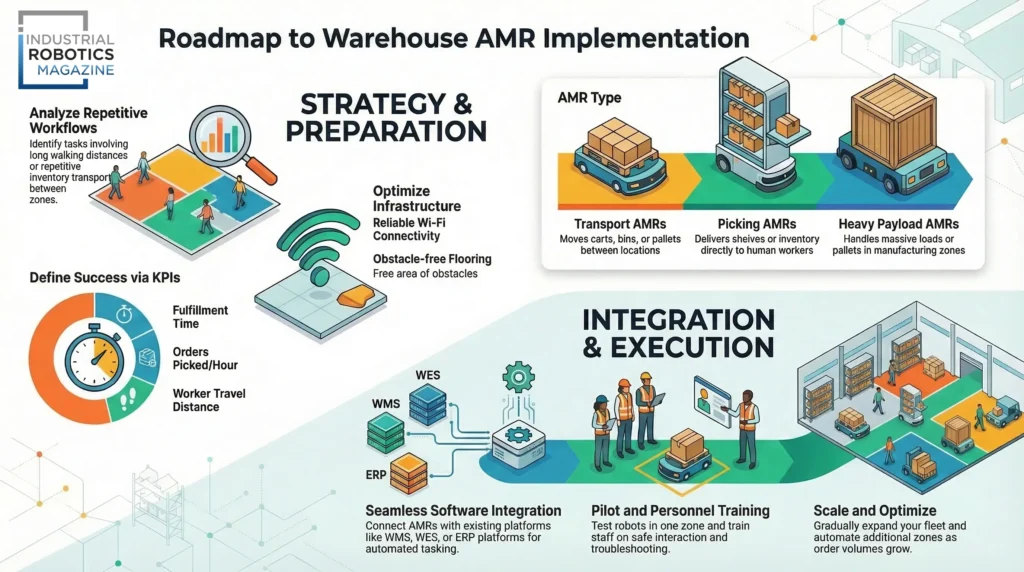
The first step in implementing autonomous mobile robots in warehouse operations is analyzing current workflows.
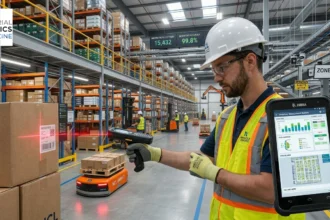
Identify tasks that involve repetitive movement or long walking distances. In many warehouses, employees spend a large portion of their time transporting items rather than picking or packing orders.
Common automation opportunities include:
- Inventory transport between zones
- Order picking support
- Material handling between production and storage
- Returns processing workflows
Conducting a workflow analysis helps determine where AMR robots for warehouse automation will deliver the highest productivity improvements.
Step 2: Define Automation Goals and KPIs
Before deploying robots, it is important to define clear business objectives.
Typical goals of implementing AMRs in warehouses include:
- Increasing order fulfillment speed
- Reducing manual labor requirements
- Improving warehouse productivity
- Enhancing worker safety
Organizations often track key performance indicators such as:
- Orders picked per hour
- Average fulfillment time
- Worker travel distance
- Operational cost per order
These metrics help measure the return on investment for warehouse automation using autonomous mobile robots.
Step 3: Select the Right Type of AMR
Not all robots perform the same tasks. Choosing the correct robot type is essential when planning AMR deployment in warehouse logistics.
Common types of warehouse AMRs include:
Transport AMRs
These robots move carts, bins, or pallets between locations inside the warehouse.
Picking AMRs
Often used in goods-to-person systems, these robots bring shelves or inventory directly to workers.
Heavy Payload AMRs
Designed for manufacturing or large warehouses, these robots can carry heavy loads or pallets.
When selecting a system, companies should consider payload capacity, navigation technology, battery life, and software compatibility.
Step 4: Prepare Warehouse Infrastructure
One of the advantages of autonomous mobile robot warehouse systems is that they require minimal physical infrastructure changes. However, some preparation is still necessary.
Key infrastructure considerations include:
- Reliable warehouse Wi-Fi connectivity
- Smooth and obstacle-free flooring
- Clearly defined travel paths
- Charging stations for robot fleets
Unlike older automation systems, AMRs do not require magnetic tape or floor guides, making them easier to implement and scale.
Step 5: Integrate with Warehouse Management Systems
A critical part of implementing autonomous mobile robots in warehouse logistics is software integration.
AMRs typically connect with systems such as:
- Warehouse Management Systems (WMS)
- Warehouse Execution Systems (WES)
- Enterprise Resource Planning (ERP) platforms
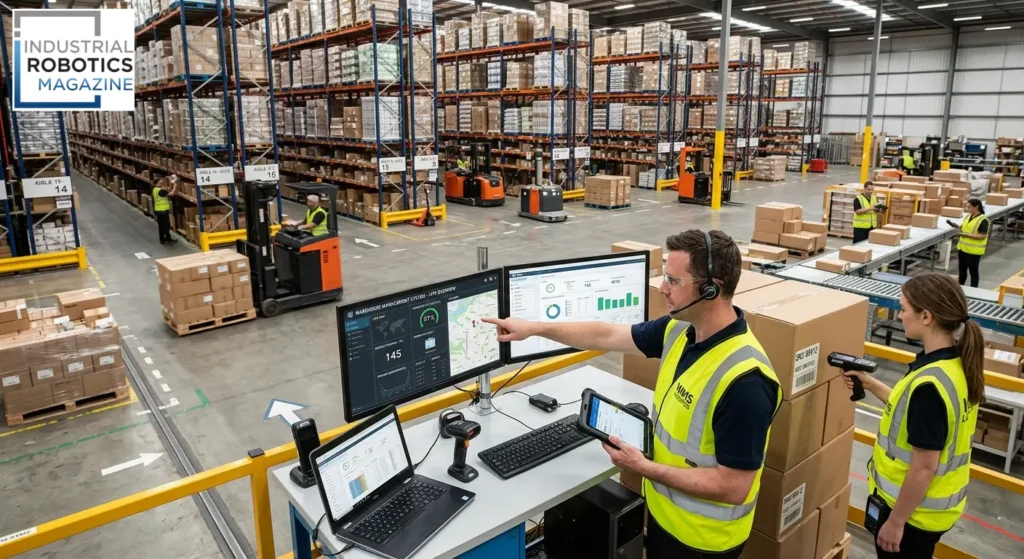
Integration allows robots to receive tasks automatically, prioritize orders, and coordinate with warehouse staff. Advanced AMR fleet management software can also optimize robot traffic and task allocation in real time.
Step 6: Run a Pilot Deployment
Before scaling automation across the entire facility, companies should start with a pilot project.
A pilot deployment of autonomous mobile robots for warehouse automation usually involves:
- A single warehouse zone
- A small fleet of robots
- One or two automated workflows
This testing phase helps evaluate system performance, worker interaction, and operational efficiency. It also provides valuable data for refining processes before full implementation.
Step 7: Train Warehouse Staff
Successful automation requires collaboration between humans and robots. Training employees is a key part of AMR implementation in warehouse operations.
Workers should be trained on:
- How to interact safely with robots
- Monitoring robot tasks
- Basic troubleshooting procedures
- Understanding new workflows
When employees understand how robots support their work, adoption and productivity improve significantly.
Step 8: Scale and Optimize the Robot Fleet
After a successful pilot program, the next step is scaling the system.
Warehouses can gradually expand autonomous mobile robot fleets by:
- Adding more robots to existing workflows
- Automating additional warehouse zones
- Integrating more operational processes
AMR systems are designed to scale easily, allowing facilities to increase automation as order volumes grow.
Final Thoughts
Implementing autonomous mobile robots in warehouses is one of the most effective ways to improve efficiency and modernize supply chain operations. By carefully analyzing workflows, selecting the right robots, integrating software systems, and starting with a pilot deployment, companies can successfully adopt this powerful automation technology.
As global demand for faster fulfillment increases, warehouse automation using autonomous mobile robots will continue to play a critical role in helping businesses scale operations, reduce costs, and remain competitive in modern logistics