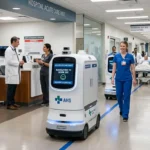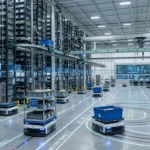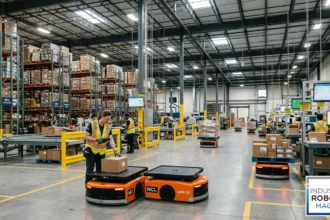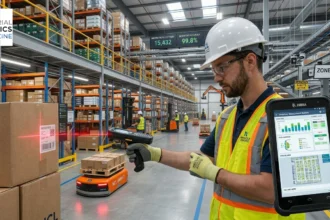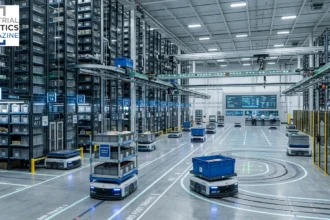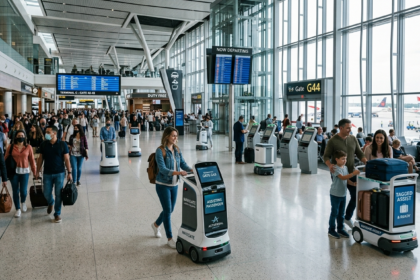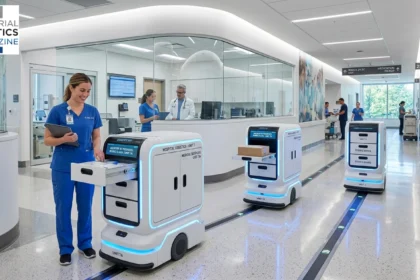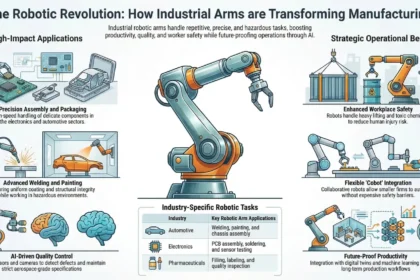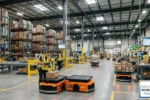
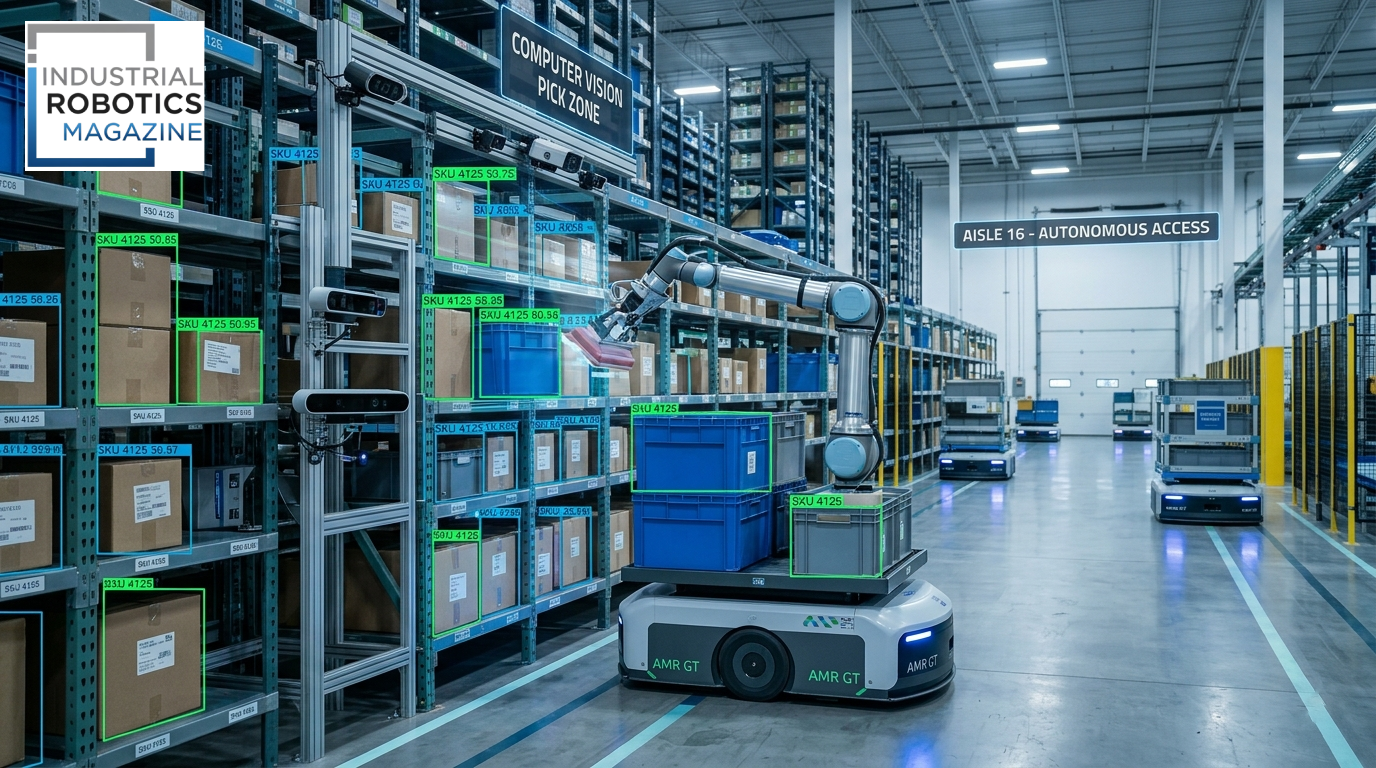
Modern warehouses are evolving rapidly, driven by the increasing demand for speed, accuracy, and efficiency in today’s fast-paced logistics environment. With the rise of e-commerce, same-day delivery expectations, and global supply chain complexity, businesses are under constant pressure to process orders faster while maintaining high levels of accuracy. While automation has already transformed many aspects of warehouse operations, a new and more advanced technology is pushing the industry even further—computer vision.
Computer vision, a branch of artificial intelligence, allows machines to interpret and understand visual information from their surroundings. In the context of warehouse robotics, this means robots are no longer limited to following fixed paths or relying solely on pre-programmed instructions. Instead, they can “see” their environment using cameras and sensors, analyze what they observe, and make intelligent decisions in real time. This ability fundamentally changes how robots interact with warehouse environments, making them more adaptable and efficient.
Why Warehouses Need Computer Vision
As warehouse operations become more dynamic, traditional systems often struggle to keep up with constant changes in layout, inventory levels, and order volumes. Human workers, while essential, are also prone to fatigue and errors when handling repetitive tasks at scale. Computer vision addresses these challenges by enabling robots to operate with a higher level of precision and consistency. By identifying objects, recognizing patterns, and adjusting to real-time conditions, these systems reduce errors and improve overall workflow efficiency.
In addition, computer vision plays a critical role in enabling smarter decision-making within warehouse systems. Robots equipped with this technology can quickly locate items, verify products, and navigate complex spaces without human intervention. This not only speeds up operations but also enhances safety by reducing the likelihood of collisions and mistakes. As a result, businesses can achieve a more streamlined and reliable fulfillment process.
By combining computer vision with other advanced technologies such as machine learning, robotics, and data analytics, warehouses can transition into fully intelligent systems that continuously learn and improve over time. These integrated systems provide real-time insights, optimize processes, and allow companies to scale operations more effectively as demand increases. Ultimately, computer vision is not just enhancing warehouse automation—it is redefining what modern logistics operations are capable of achieving. Companies such as NVIDIA are leading advancements in artificial intelligence and computer vision technologies used in modern robotics.
What is Computer Vision in Warehouse Robotics?
Computer vision systems rely on advanced machine learning models that are trained on large datasets of images and real-world scenarios. These models allow robots to recognize patterns, differentiate between objects, and make intelligent decisions without constant human input. As more data is collected over time, these systems continue to improve, becoming more accurate and reliable in complex warehouse environments. Organizations like Amazon Robotics are already using computer vision to improve warehouse automation and operational efficiency.
In addition, computer vision enables warehouse robots to function effectively in environments where conditions may change frequently. For example, warehouses often deal with shifting inventory layouts, varying package sizes, and unpredictable obstacles. Traditional automation systems struggle in these situations, but vision-enabled robots can quickly adapt by analyzing their surroundings in real time. This flexibility makes them ideal for modern logistics operations that require both speed and adaptability.
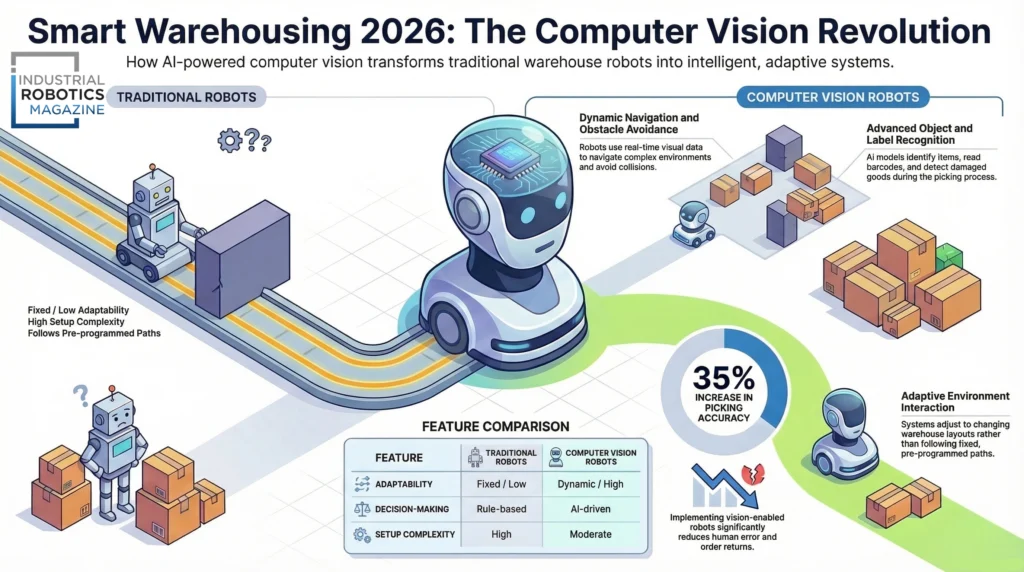
Key Capabilities:
- Object detection and recognition
- Barcode and label scanning
- Real-time navigation
- Obstacle avoidance
- Quality inspection
These capabilities make warehouse robots significantly smarter and more flexible.
How Computer Vision Works in Warehouse Robots
Computer vision in warehouse robotics operates through a combination of hardware and software components. Cameras and sensors capture visual data from the environment, which is then processed by AI algorithms to interpret and act upon that information.
Core Components:
- Cameras: Capture images and video in real time
- Sensors: Provide depth perception and environmental awareness
- AI Models: Analyze visual data and make decisions
- Processing Units: Execute tasks based on interpreted data
For example, when a robot is assigned to pick an item, the camera scans the shelf, identifies the correct product, and guides the robot arm to retrieve it. This process happens in seconds and significantly reduces the chances of human error.
How Does Computer Vision Improve Warehouse Operations?
Computer vision enhances warehouse automation by enabling robots to perform tasks that previously required human judgment.
Major Benefits:
- Higher Accuracy: Robots can identify items precisely, reducing picking errors
- Faster Processing: Visual recognition speeds up sorting and packaging
- Improved Safety: Detects obstacles and prevents collisions
- Better Inventory Tracking: Real-time monitoring of stock levels
Tasks Enabled by Computer Vision:
- Automated item picking
- Sorting packages by size and type
- Detecting damaged products
- Reading barcodes and QR codes
Real-World Example: Vision-Enabled Robots
A logistics company implemented computer vision-enabled robots in its warehouse to improve order accuracy. Previously, workers manually scanned items and verified orders.
After integrating computer vision:
- Picking accuracy increased by over 35%
- Processing time decreased significantly
- Returns due to errors were reduced
This demonstrates how visual intelligence can transform operations.
Computer Vision vs Traditional Automation
| Feature | Computer Vision Robots | Traditional Robots |
| Flexibility | High | Low |
| Adaptability | Dynamic | Fixed |
| Accuracy | Very High | Moderate |
| Decision-Making | AI-driven | Rule-based |
| Setup Complexity | Moderate | High |
Computer vision allows robots to handle more complex and unpredictable tasks compared to traditional systems.
How to Implement Computer Vision in Warehouses
Implementing computer vision requires careful planning and integration.
Steps to Follow:
- Identify processes that require visual recognition
- Select appropriate hardware (cameras, sensors)
- Integrate AI models with warehouse systems
- Train models using real-world data
- Test and optimize performance
Challenges of Computer Vision in Warehouses
Despite its advantages, computer vision comes with challenges:
- High initial setup cost
- Data training requirements
- Sensitivity to lighting conditions
- Integration with existing systems
However, advancements in AI are rapidly reducing these limitations.
Future of Computer Vision in Logistics
The future of warehouse automation is closely tied to advancements in computer vision.
Emerging Trends:
- AI-powered visual analytics
- Fully autonomous picking systems
- Integration with robotics and IoT
- Real-time warehouse monitoring
As these technologies evolve, warehouses will become increasingly intelligent and efficient.
Why Computer Vision is Essential for Future Warehouses
As the logistics industry continues to evolve, the demand for faster and more accurate operations will only increase. Computer vision is becoming a foundational technology that enables warehouses to meet these demands while staying competitive.
Companies that invest in computer vision today are positioning themselves for long-term success. By combining AI, robotics, and data-driven insights, these systems create smarter, more efficient warehouses that can adapt to future challenges.
Final Verdict
Computer vision is a game-changing technology in warehouse robotics. By enabling robots to see and understand their environment, businesses can achieve higher efficiency, better accuracy, and improved scalability.
Companies that adopt computer vision early will gain a significant competitive advantage in the logistics industry.
FAQ Section
1. What is computer vision in robotics?
It is the ability of machines to interpret visual data using AI and cameras.
2. How does computer vision improve warehouse efficiency?
It reduces errors, speeds up processes, and enhances automation capabilities.
3. Is computer vision expensive to implement?
Initial costs can be high, but long-term benefits outweigh the investment.
4. Can computer vision replace human workers?
It assists workers rather than fully replacing them, improving productivity.