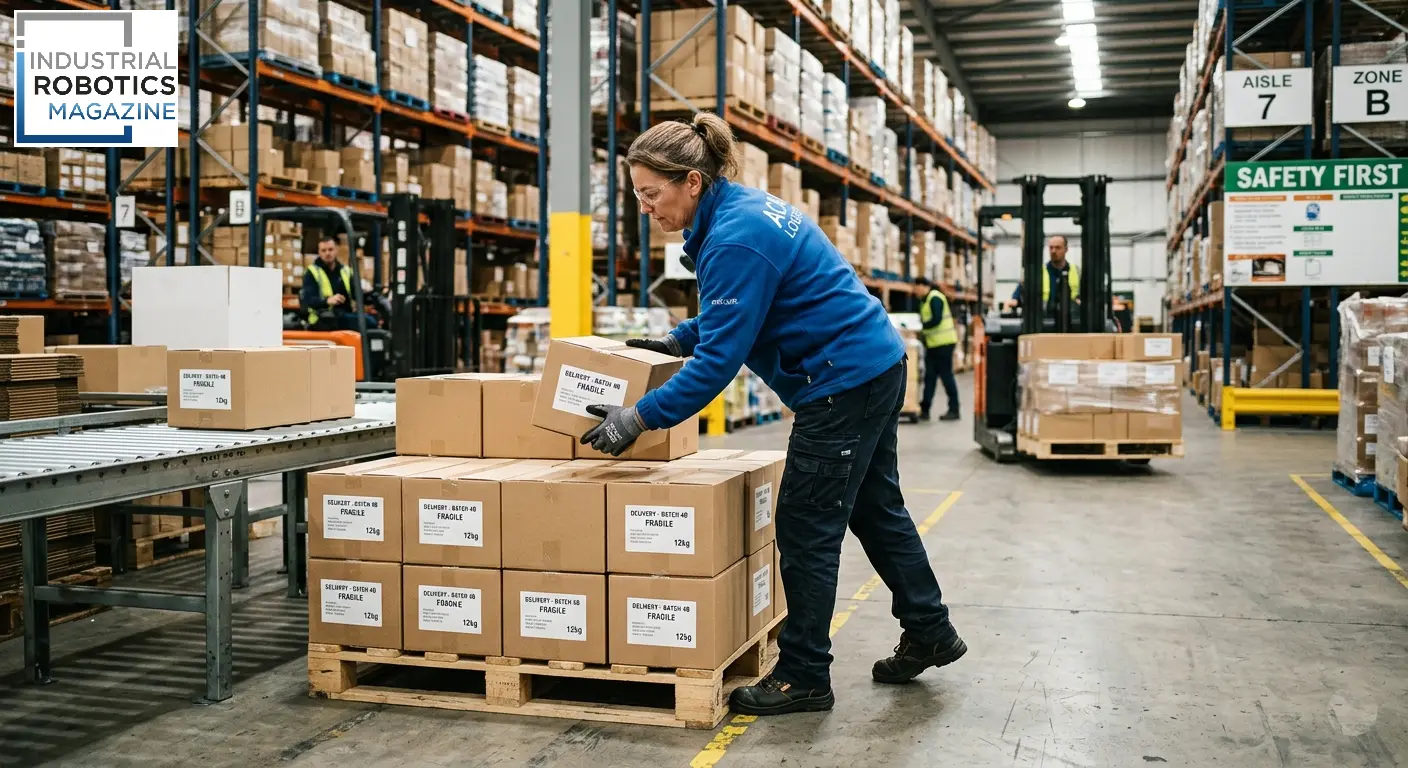
Warehouse labor shortages are no longer a future problem—they’re happening now. According to industry research, many logistics companies struggle to fill warehouse roles, particularly repetitive positions like palletizing. Businesses are turning to robotic palletizing systems to maintain productivity without overloading workers.
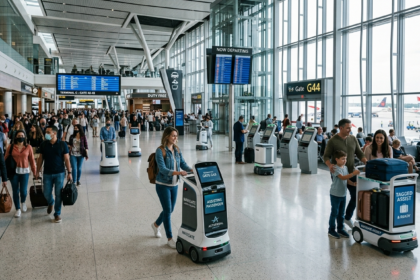
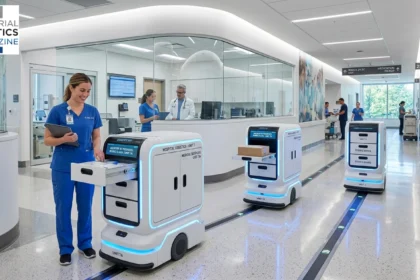
Robotic palletizing systems powered by autonomous mobile robots automate the stacking and movement of goods in warehouses. By replacing repetitive manual labor with intelligent robots, companies improve efficiency, reduce workplace injuries, and scale warehouse operations without increasing workforce costs.
These systems combine industrial robots, palletizing software, sensors, and mobile automation to create smarter, more flexible warehouses.
What Are Robotic Palletizing Systems for Warehouses?
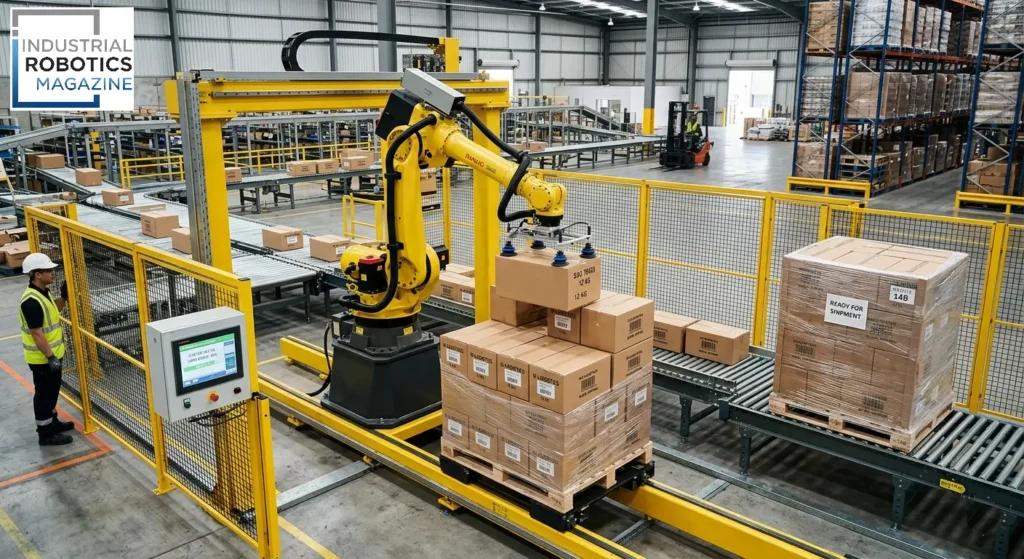
A robotic palletizing system is an automated solution that uses industrial robots to stack products onto pallets in a structured way for storage or shipping.
Traditionally, palletizing required workers to lift boxes repeatedly throughout shifts. This task is physically demanding and prone to injuries.
Modern systems integrate:
- Autonomous mobile robots (AMRs) to move goods across warehouses
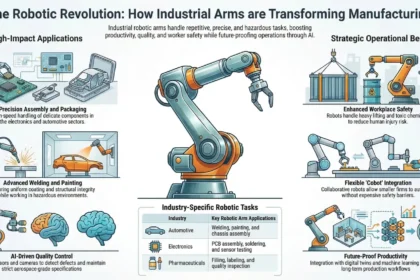
- Robotic arms for stacking products
- AI-driven software to optimize pallet configurations
- Sensors and vision systems for accurate placement
Instead of relying on human workers for repetitive stacking tasks, robots handle the heavy lifting while employees focus on supervision and exception handling.
Key Components of Robotic Palletizing Systems
Most warehouse palletizing solutions include:
- Robotic palletizing arms
- Autonomous mobile robots for pallet transport
- Vision systems for product recognition
- Palletizing software for pattern optimization
- Safety systems for human-robot collaboration
The result is a highly coordinated automation workflow that reduces errors and increases throughput.
Why Are Warehouses Adopting Autonomous Mobile Robots?
Many warehouse operators adopt autonomous mobile robots because they solve several operational challenges simultaneously.
1. Reduced Manual Labor
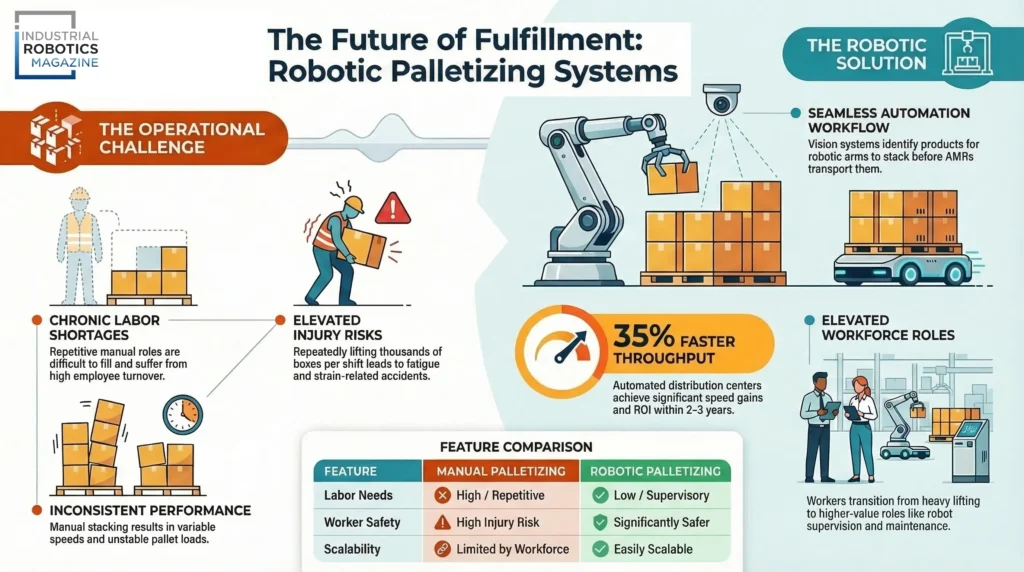
Palletizing is one of the most repetitive warehouse tasks. Robots eliminate the need for workers to lift thousands of boxes per shift.
Benefits include:
- Reduced worker fatigue
- Fewer workplace injuries
- Lower employee turnover
Workers transition into higher-value roles like robot supervision, maintenance, and operations management.
2. Faster Warehouse Operations
Automation allows warehouses to maintain consistent output.
Robots do not slow down during long shifts, which means:
- Faster order fulfillment
- Increased palletizing speed
- Better shipping timelines
For high-volume distribution centers, even small efficiency improvements significantly impact productivity.
3. Improved Accuracy
Human palletizing can lead to stacking inconsistencies or damaged products.
Robotic palletizing systems:
- Follow precise stacking patterns
- Prevent unstable pallet loads
- Reduce shipping errors
The result is safer transport and fewer damaged goods.
How Do Autonomous Mobile Robots Work in Palletizing?
Robotic palletizing systems operate through a coordinated automation workflow.
Step-by-Step Process
- Products arrive from conveyors or picking stations.
- Vision systems identify product size and orientation.
- Robotic arms pick items using specialized grippers.
- The robot places items according to an optimized pallet pattern.
- Autonomous mobile robots transport completed pallets to storage or shipping areas.
This process removes multiple manual steps in warehouse operations.
Traditional Palletizing vs Robotic Palletizing
| Feature | Manual Palletizing | Robotic Palletizing |
|---|---|---|
| Labor requirements | High | Low |
| Speed | Inconsistent | Consistent |
| Worker safety | Injury risk | Much safer |
| Accuracy | Variable | High precision |
| Scalability | Limited | Easily scalable |
For growing warehouses, robotic systems provide long-term operational advantages.
Real-World Example: Robotic Palletizing in a Distribution Warehouse
A large e-commerce fulfillment center struggled with increasing order volumes and labor shortages.
The Challenge
The warehouse relied heavily on manual labor for palletizing. Workers had to lift boxes repeatedly, leading to fatigue and inconsistent stacking quality.
Problems included:
- High employee turnover
- Slow palletizing speeds
- Workplace injuries
The Solution
The company deployed autonomous mobile robots combined with robotic palletizing arms.
Key upgrades included:
- AMRs transporting pallets across the facility
- Industrial robots stacking products automatically
- AI software optimizing pallet patterns
Results
Within months, the warehouse achieved:
- 35% faster palletizing throughput
- Reduced workplace injuries
- Lower labor costs
- Improved order fulfillment accuracy
This example highlights how robotic palletizing systems improve both productivity and worker safety.
Key Benefits of Robotic Palletizing Systems
1. Higher Throughput
Robots operate continuously without breaks, increasing palletizing output.
2. Lower Operational Costs
Although automation requires upfront investment, businesses reduce long-term labor expenses.
3. Flexible Automation
Modern systems adapt to:
- Different box sizes
- Multiple pallet patterns
- Changing warehouse workflows
4. Improved Workplace Safety
Palletizing injuries are common in warehouses. Robotic automation significantly reduces strain-related accidents.
Challenges to Consider Before Implementing Robots
Despite their advantages, robotic palletizing systems require planning.
Initial Investment
Industrial robots and AMRs can require significant upfront costs.
However, many companies see ROI within 2–3 years.
Integration Complexity
Robotic systems must integrate with:
- Warehouse management systems
- Conveyors
- Inventory platforms
Proper system design is essential.
Workforce Training
Employees need training to operate and maintain robotic systems.
Fortunately, modern robots are designed with user-friendly interfaces that simplify operation.
The Future of Warehouse Palletizing
Automation trends indicate that robotic palletizing will become standard in modern warehouses.
Key developments include:
- AI-powered pallet pattern optimization
- Collaborative robots working alongside humans
- Advanced vision systems for irregular items
- Smarter autonomous mobile robot fleets
As e-commerce continues to grow, warehouses will rely heavily on industrial robots and automation technologies to maintain efficiency.
Final Thoughts
Robotic palletizing systems powered by autonomous mobile robots are transforming modern warehouses. By replacing repetitive manual labor with intelligent robots, companies improve safety, speed, and operational efficiency.
For warehouses facing labor shortages, rising order volumes, and competitive pressure, automation is quickly becoming less of an option and more of a necessity.
Businesses that adopt robotic palletizing early gain a significant advantage in scalable warehouse operations.
FAQ
What is a robotic palletizing system?
A robotic palletizing system uses industrial robots to automatically stack products onto pallets for storage or shipping. These systems improve speed, accuracy, and worker safety in warehouses.
How do autonomous mobile robots help with palletizing?
Autonomous mobile robots transport pallets and materials throughout warehouses. When combined with robotic arms, they automate the entire palletizing workflow from picking to storage.
Are robotic palletizing systems expensive?
Initial investments can be high, but most companies achieve return on investment within two to three years through reduced labor costs and improved efficiency.
Can robots handle different product sizes?
Yes. Modern palletizing robots use vision systems and AI software to adjust stacking patterns for different box sizes and product shapes.
Do robotic palletizing systems replace warehouse workers?
Not entirely. Robots reduce repetitive lifting tasks, allowing workers to focus on higher-value roles such as system supervision, quality control, and warehouse operations management.