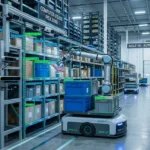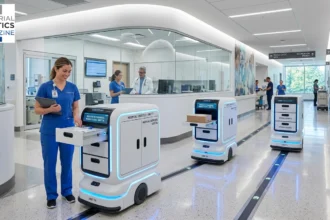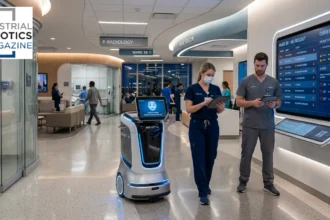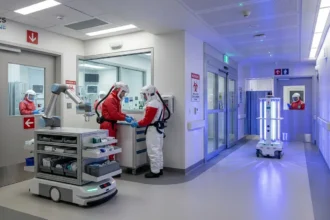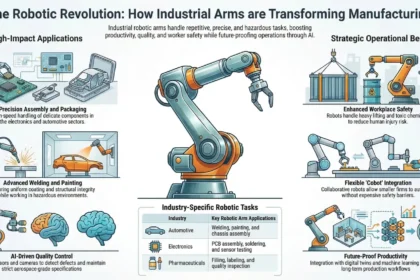
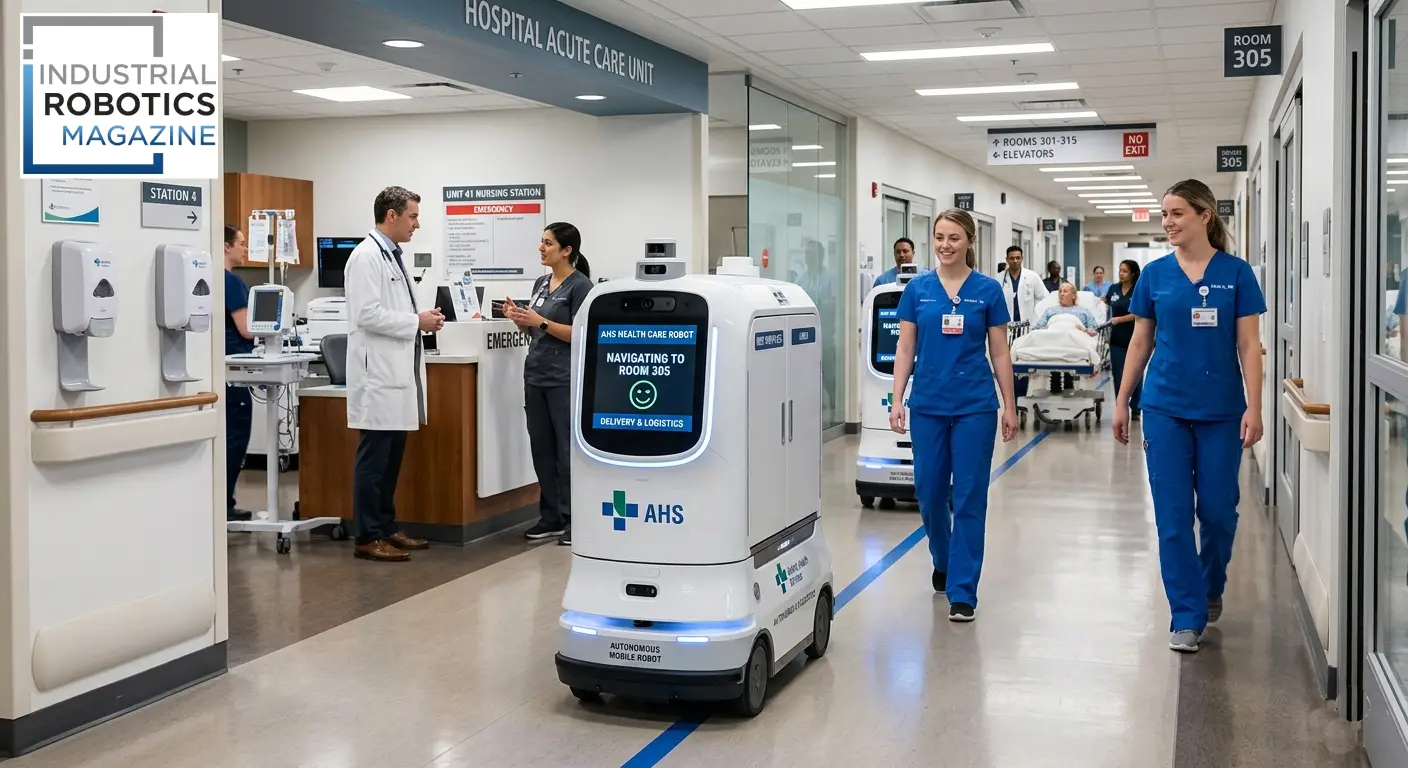
Hospitals are under pressure like never before—staff shortages, rising patient volumes, and increasing operational costs. Yet, one of the most impactful solutions isn’t hiring more people—it’s deploying robots.
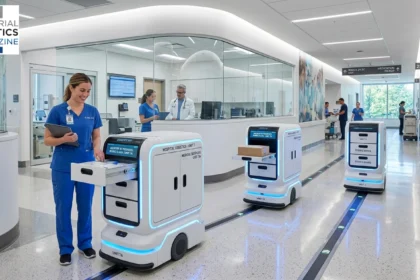
Autonomous mobile robots are intelligent machines used in hospitals to perform routine tasks like delivering medicines, transporting supplies, cleaning floors, and supporting staff. They navigate independently using sensors and AI, reducing manual labor, improving efficiency, and allowing healthcare workers to focus more on patient care.
What Are Autonomous Mobile Robots in Hospitals?
Autonomous mobile robots (AMRs) are self-navigating robotic systems designed to operate safely in dynamic environments like hospitals. Unlike traditional robots, they do not rely on fixed tracks or human control.
They use technologies such as:
- LiDAR and cameras for navigation
- AI and machine learning for decision-making
- Sensors to avoid obstacles and interact with surroundings
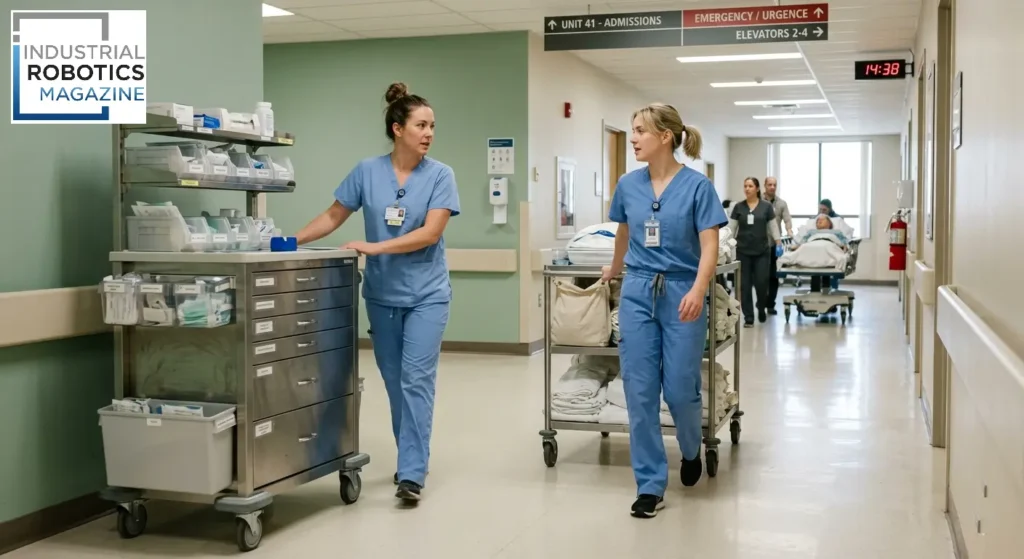
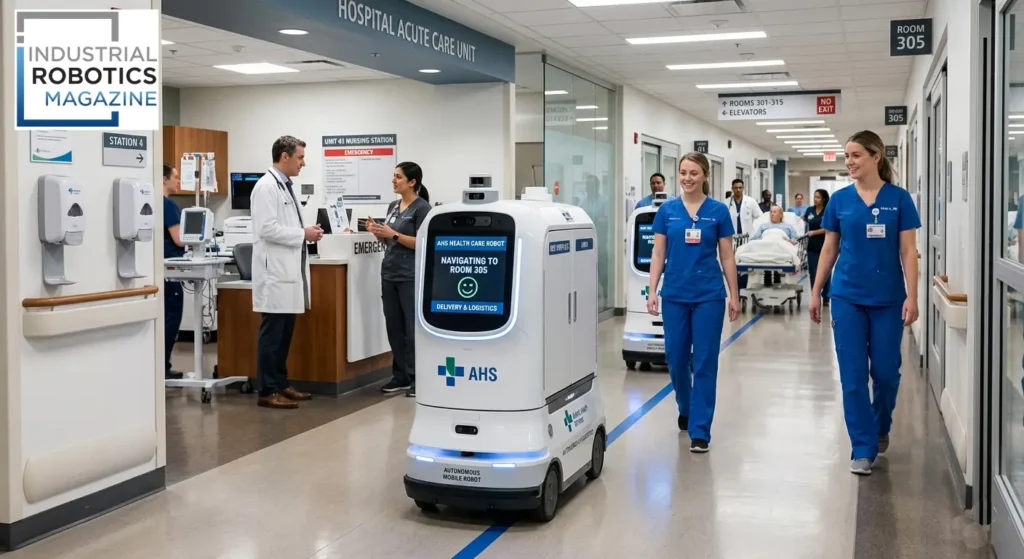
In hospital settings, these robots move freely through hallways, elevators, and patient rooms, carrying out essential but repetitive tasks.
How Do Autonomous Robots Work in Hospitals?
AMRs function through a combination of hardware and software systems:
Core Capabilities
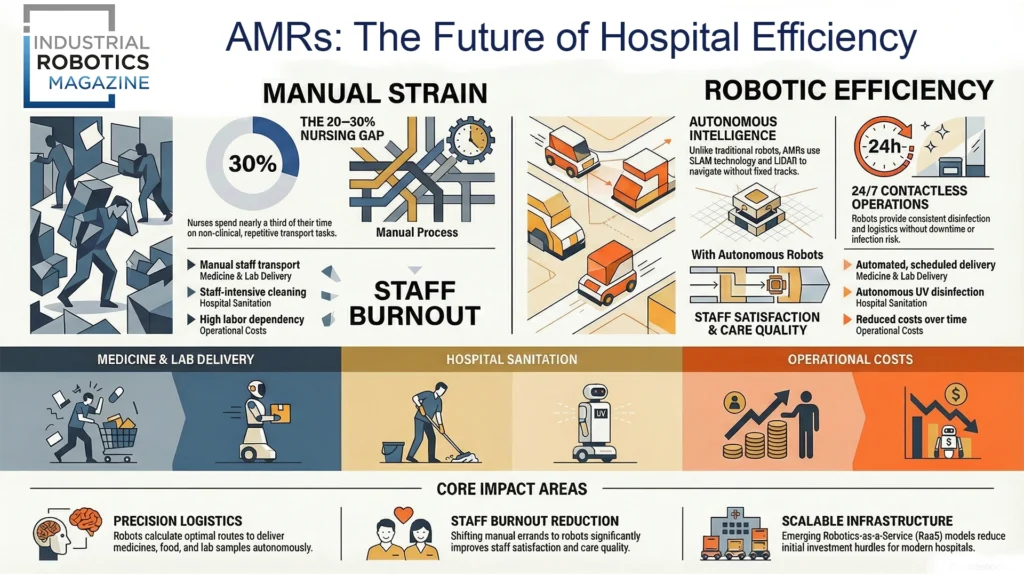
- Mapping and navigation (SLAM) to create real-time maps
- Obstacle avoidance for safe movement
- Task scheduling integrated with hospital systems
- Fleet coordination for managing multiple robots
Typical Workflow
- Task assigned (e.g., deliver medicine)
- Robot calculates optimal route
- Navigates autonomously
- Completes delivery and logs data
What Tasks Do Hospital Robots Automate?
Autonomous robots are transforming hospital operations by handling time-consuming tasks:
Logistics and Delivery
- Transporting medicines from pharmacy to wards
- Delivering food to patients
- Moving lab samples between departments
- Handling linen and waste transport
Cleaning and Disinfection
- Autonomous floor cleaning
- UV-based disinfection for infection control
- Sanitizing high-touch areas
Staff Support
- Assisting nurses by reducing manual errands
- Supporting patient check-ins and guidance
- Enabling contactless interactions
Why Are Hospitals Adopting Autonomous Robots?
Hospitals are investing in robotics because of measurable benefits:
Key Advantages
- Reduced manual labor so staff spend less time on repetitive tasks
- Improved efficiency with faster delivery of supplies
- Better patient care as nurses focus more on patients
- Enhanced infection control through contactless operations
- 24/7 operations without breaks or downtime
Comparison: Manual vs Robotic Hospital Operations
| Function | Manual Process | With Autonomous Robots |
|---|---|---|
| Medicine Delivery | Nurse or staff transport | Automated, scheduled delivery |
| Food Distribution | Manual carts | Robot-based delivery |
| Cleaning | Staff-intensive | Autonomous cleaning robots |
| Efficiency | Variable | Consistent and optimized |
| Labor Cost | High | Reduced over time |
Real-World Example: Hospital Robot Deployment Case Study
A large urban hospital implemented autonomous mobile robots to handle internal logistics.
Challenges Before Deployment
- Nurses spending 20–30% of time on non-clinical tasks
- Delays in medicine and lab sample delivery
- High operational costs
After Implementation
- Significant reduction in manual transport tasks
- Faster turnaround for lab samples
- Improved staff satisfaction and reduced burnout
Key Insight
The biggest impact wasn’t just cost savings—it was freeing up nurses to focus on patients, which directly improved care quality.
Challenges and Considerations
While adoption is growing, hospitals must consider:
- Initial investment costs
- Integration with existing hospital systems
- Staff training and acceptance
- Compliance with safety and health regulations
However, these challenges are becoming easier to manage as technology matures.
The Future of Autonomous Robots in Healthcare
Autonomous robots are evolving beyond simple delivery tasks.
Emerging Trends
- AI-powered decision-making for complex workflows
- Integration with hospital information systems
- Multi-functional robots handling multiple roles
- Robotics-as-a-Service models reducing upfront costs
In the near future, robots will become a core part of hospital infrastructure.
Autonomous mobile robots are no longer experimental—they are becoming essential tools in modern hospitals. By automating routine tasks like delivery, cleaning, and logistics, they reduce manual labor, improve efficiency, and allow healthcare professionals to focus on what matters most: patient care.
Hospitals that adopt robotics today are positioning themselves for a more efficient and patient-centered future.
FAQ: Autonomous Robots in Hospitals
What are autonomous robots used for in hospitals?
They are used for delivering medicines, transporting supplies, cleaning, and supporting hospital staff.
Do hospital robots replace nurses?
No. They assist nurses by handling repetitive tasks so they can focus on patient care.
Are autonomous robots safe in hospitals?
Yes. They use sensors and AI to navigate safely around people and equipment.
How much do hospital robots cost?
Costs vary, but many hospitals adopt Robotics-as-a-Service models to reduce upfront expenses.
Can robots improve patient care?
Yes. By reducing staff workload and improving efficiency, robots indirectly enhance patient outcomes.