
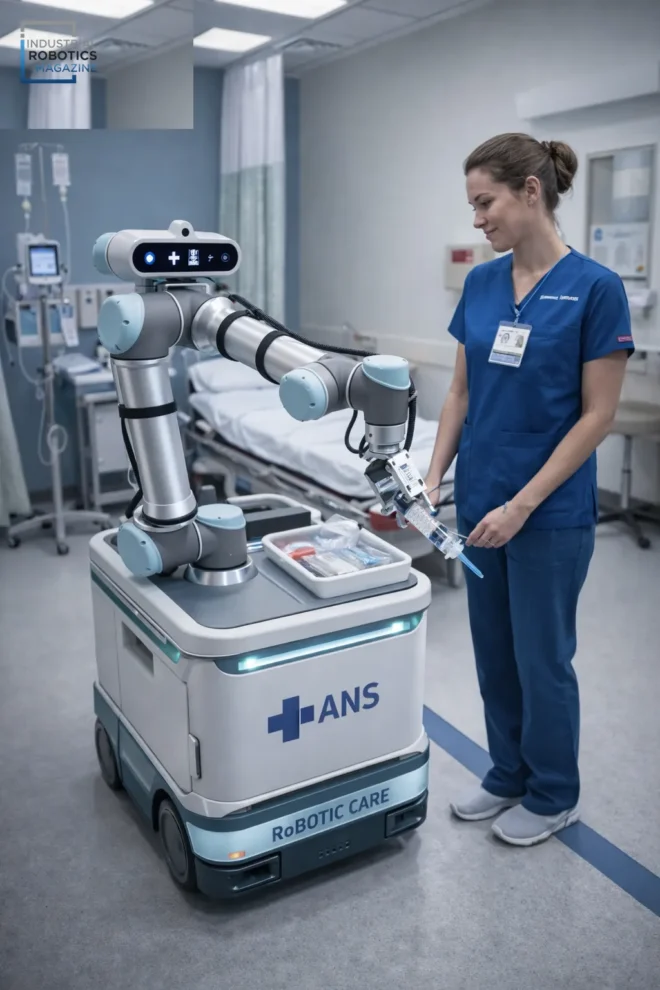
Hospital-acquired infections affect millions of patients every year, even in facilities that follow strict cleaning protocols. Traditional chemical cleaning methods often fail to reach every contaminated surface, leaving gaps in infection control.
UV disinfection robots for hospitals use UV-C light to eliminate bacteria and viruses with high consistency, improving sanitation, reducing reliance on manual cleaning, and increasing overall efficiency in healthcare environments.
What Are UV Disinfection Robots?
UV disinfection robots are autonomous systems that emit ultraviolet-C (UV-C) light to destroy microorganisms at the DNA level. These robots are designed to disinfect entire rooms without requiring direct human involvement.
They are commonly used in:
- Patient rooms
- Operating theatres
- Intensive care units
- Emergency departments
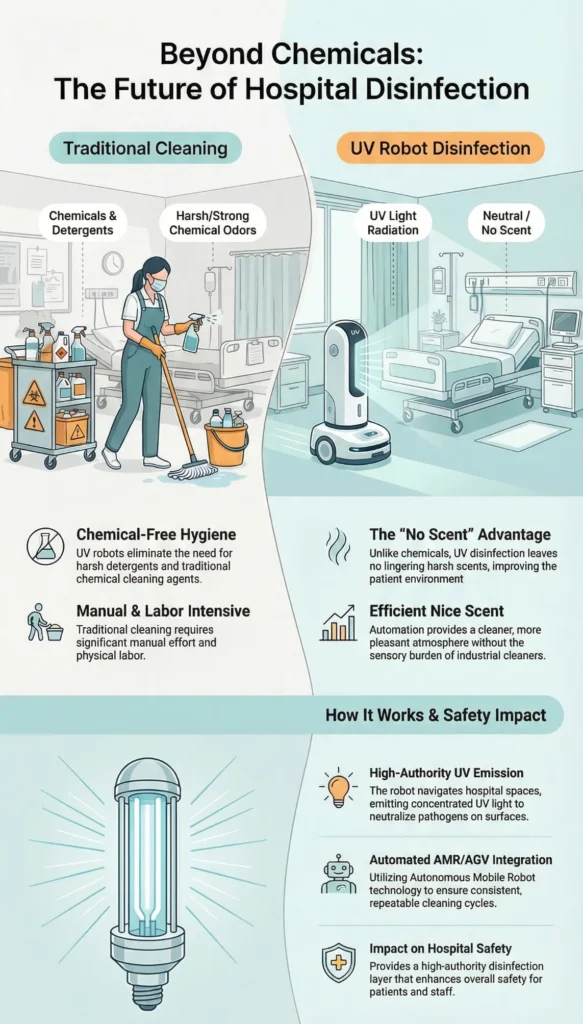
Unlike traditional cleaning chemicals, UV robots:
- Do not leave residue
- Do not produce any scent
- Provide consistent coverage across surfaces
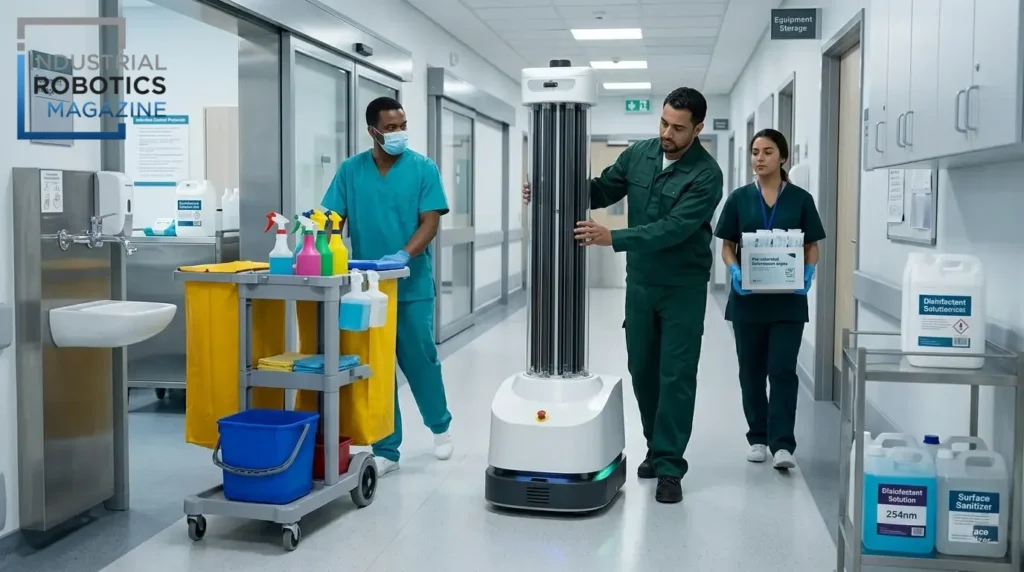
How Do UV Disinfection Robots Work in Hospitals?
UV disinfection robots follow a simple but effective process:
- Staff manually clean visible dirt and debris
- The robot is placed inside the room
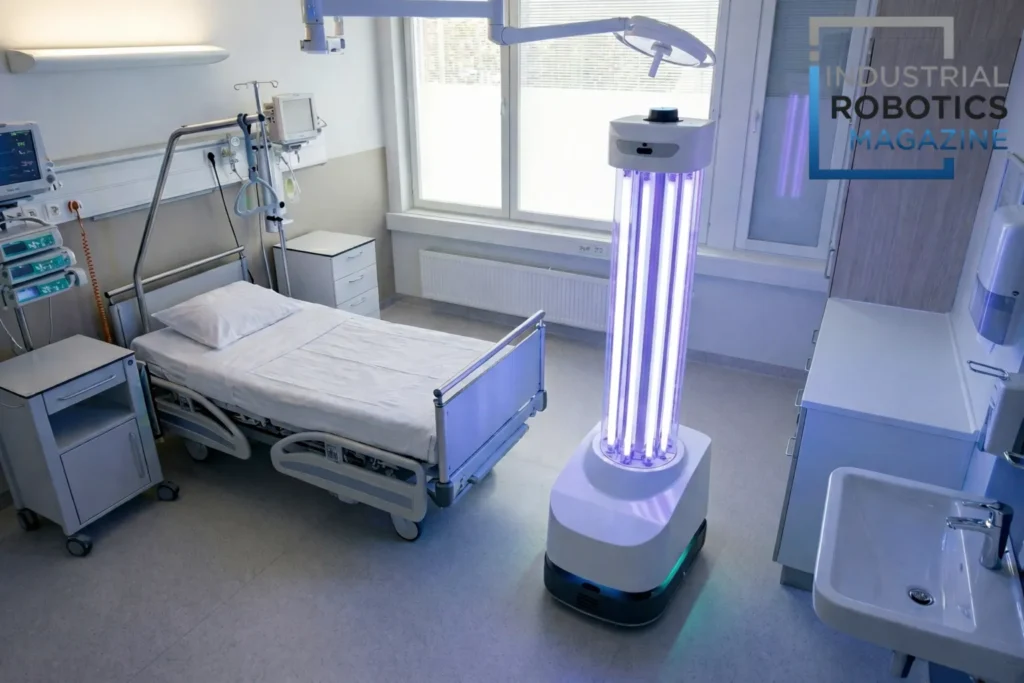
- UV-C light cycles are activated
- Microorganisms are neutralized through DNA disruption
This method ensures that even hard-to-reach areas receive proper disinfection.
UV Disinfection vs Chemical Cleaning in Hospitals
| Feature | Chemical Cleaning | UV Disinfection Robots |
|---|---|---|
| Human dependency | High | Low |
| Consistency | Variable | High |
| Coverage | Surface-level | Full-room exposure |
| Residue | Leaves chemicals | No residue |
| Automation | None | Fully automated |
Why Hospitals Are Adopting UV-C Disinfection Technology
1. Infection Control Demands
Hospitals are under increasing pressure to reduce hospital-acquired infections and improve patient safety.
2. Labor Challenges
Manual cleaning requires time, training, and consistency, which can vary across staff.
3. Need for Standardization
Systems provide predictable and repeatable results, reducing variability in sanitation quality.
Benefits of UV Disinfection Robots for Hospitals
- Improved infection control
- Faster room turnaround times
- Reduced reliance on chemical disinfectants
- Lower risk of human error
- Consistent and repeatable cleaning cycles
Real-World Example: Hospital Implementation
A mid-sized hospital integrated UV disinfection robots into its cleaning protocol alongside traditional methods.
After implementation:
- Infection rates decreased
- Cleaning efficiency improved
- Staff exposure to chemicals was reduced
This demonstrates that UV robots enhance existing cleaning systems rather than replace them entirely.
Cost of UV Disinfection Robots in Healthcare
The cost of UV disinfection robots depends on several factors:
- Type of robot and features
- Hospital size and usage frequency
- Integration with existing systems
Despite the initial investment, hospitals often see long-term savings through:
- Reduced infection-related costs
- Lower labor requirements
- Increased operational efficiency
When Should Hospitals Use Both Methods?
UV disinfection robots are most effective when combined with traditional cleaning methods.
Best practice includes:
- Using chemical cleaning to remove visible debris
- Using UV robots to eliminate remaining microorganisms
This hybrid approach ensures a higher level of sanitation.
Verdict
UV disinfection robots are transforming hospital sanitation by providing a reliable and automated method for eliminating harmful microorganisms. While they do not completely replace traditional cleaning, they significantly improve efficiency, consistency, and infection control when used together with manual methods.
FAQ
How effective are UV disinfection robots in hospitals?
They are highly effective at reducing microorganisms and improving infection control when used properly.
Are UV robots better than chemical cleaning?
They provide more consistent disinfection but work best alongside traditional cleaning methods.
Do UV robots reduce hospital-acquired infections?
Yes, they contribute to lower infection rates when integrated into cleaning protocols.
How long does UV disinfection take?
Most cycles range from 10 to 30 minutes depending on room size.
Are UV disinfection robots safe?
Yes, but rooms must be unoccupied during operation to ensure safety.


One Comment