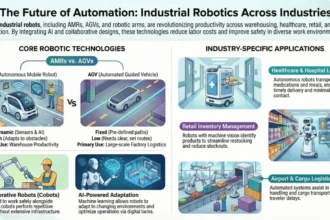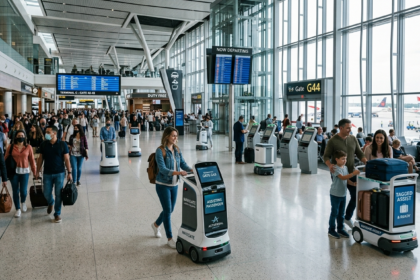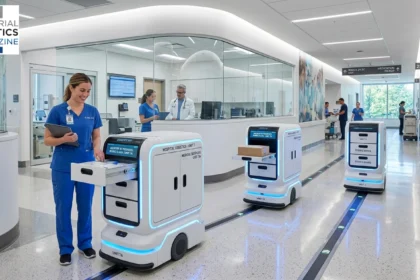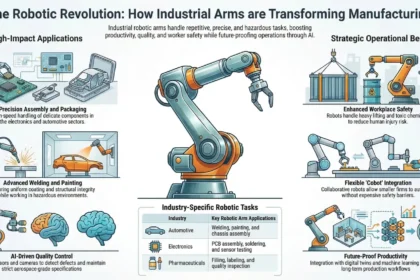
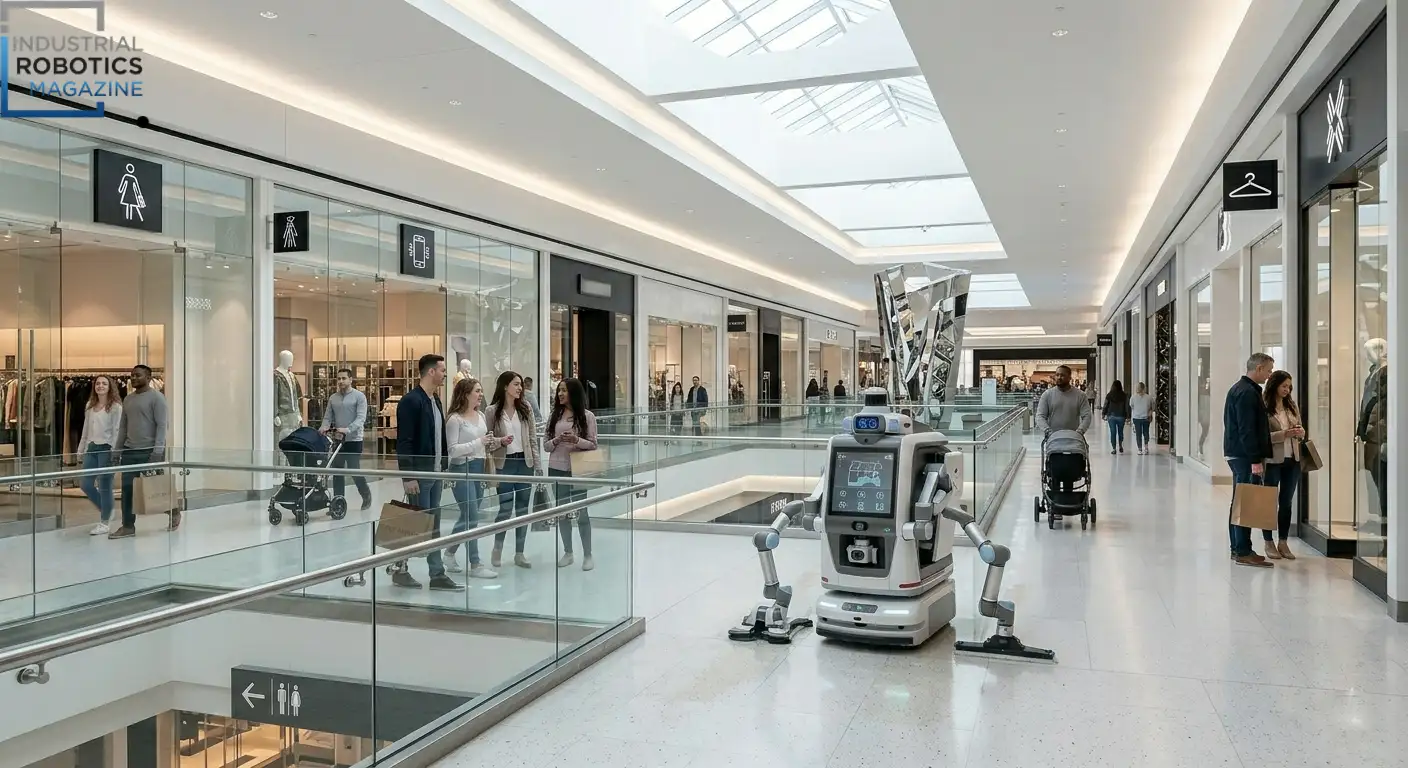
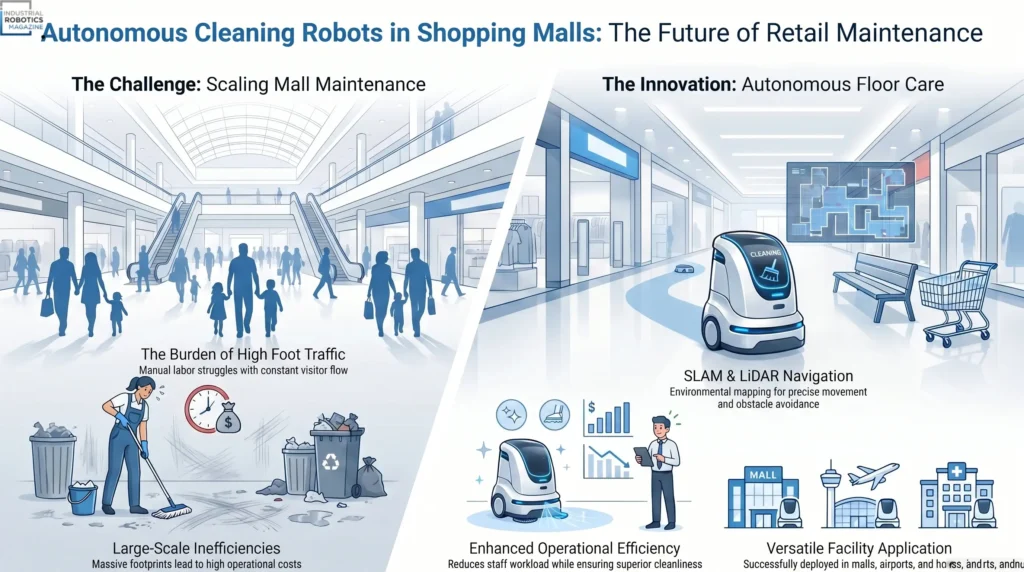
Shopping malls experience heavy foot traffic every day. As a result, maintaining cleanliness becomes challenging and time-consuming for staff. Traditional cleaning methods rely heavily on manual labor, which can increase operational costs and reduce efficiency during busy hours.
Autonomous cleaning robots in shopping malls provide a modern and efficient solution. These robots use artificial intelligence, sensors, and navigation systems to clean floors, detect obstacles, and operate independently. As a result, malls can maintain cleaner environments while improving operational efficiency.
What Are Autonomous Cleaning Robots
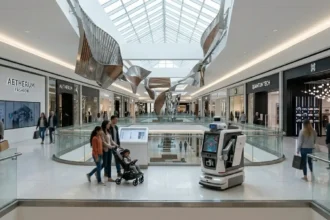
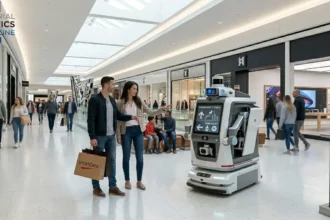
Autonomous cleaning robots are robotic systems designed to clean large commercial spaces without continuous human control. They can navigate shopping malls, avoid obstacles, and perform cleaning tasks automatically.
These robots are commonly used in:
- Shopping malls
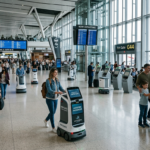
- Airports
- Hospitals
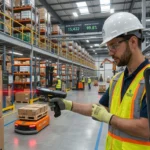
- Warehouses
In addition, they help reduce manual workload while improving cleaning consistency.
How Do Autonomous Cleaning Robots Work
Autonomous cleaning robots follow a structured process. First, sensors and cameras scan the surrounding environment. Next, artificial intelligence creates a navigation path using mapping technologies such as SLAM and LiDAR. Then, the robot moves through the mall while cleaning floors and avoiding obstacles. Finally, the system updates its route in real time for efficient operation.
As a result, cleaning becomes faster and more reliable.
Key Technologies Behind Cleaning Robots
Artificial Intelligence
Artificial intelligence helps robots analyze environments and optimize cleaning routes. It also improves obstacle detection and operational efficiency.
Machine Learning
Machine learning allows robots to improve performance over time. For example, the system learns traffic patterns and adjusts cleaning schedules accordingly.
SLAM and LiDAR Navigation
SLAM and LiDAR technologies allow robots to map shopping malls and move safely through crowded areas.
Sensors and Detection Systems
Advanced sensors help robots detect obstacles, stairs, and pedestrians. In addition, they improve navigation accuracy.
Autonomous Cleaning Robots vs Traditional Cleaning Methods
Traditional cleaning methods require significant human labor and time. During peak hours, maintaining cleanliness can become difficult. As a result, cleaning quality may become inconsistent.
Autonomous cleaning robots operate continuously and provide consistent cleaning performance. They also reduce operational costs and improve efficiency. Therefore, many malls are adopting robotic cleaning systems.
Real World Challenges
Autonomous cleaning robots face several challenges in shopping malls. Crowded environments can affect navigation and movement. In addition, different floor surfaces may require adaptive cleaning systems.
Battery life and maintenance are also important concerns. However, advancements in robotics continue to improve reliability and performance.
Real World Applications
Many shopping malls worldwide are adopting autonomous cleaning robots to improve sanitation and operational efficiency. These robots can clean large areas while staff focus on higher-priority tasks.
Companies such as Tennant Company and SoftBank Robotics have developed robotic cleaning solutions for commercial environments.
Benefits of Autonomous Cleaning Robots
Autonomous cleaning robots offer several important benefits. They improve cleanliness and reduce workload for staff. In addition, they provide consistent cleaning performance throughout the day.
These robots also improve efficiency and reduce long-term operational costs. As a result, shopping malls can maintain cleaner and safer environments.
Future of Cleaning Robots in Shopping Malls
The future of autonomous cleaning robots is highly promising. These systems will become more intelligent and efficient. For example, future robots may use predictive analytics to optimize cleaning schedules automatically.
Integration with smart building systems will further improve automation. In addition, advancements in AI will improve navigation and cleaning accuracy.
Conclusion
Autonomous cleaning robots in shopping malls are transforming commercial cleaning operations. They provide efficient, reliable, and automated cleaning solutions while reducing workload for human staff. As technology continues to advance, these robots will become an essential part of modern shopping environments.
FAQ
What are autonomous cleaning robots
They are robotic systems that clean commercial spaces using artificial intelligence and sensors.
How do cleaning robots navigate malls
They use SLAM, LiDAR, and sensors to map environments and avoid obstacles.
Where are autonomous cleaning robots used
They are used in shopping malls, airports, hospitals, and warehouses.
Do cleaning robots replace human cleaners
They assist cleaning staff but do not fully replace them.
Are autonomous cleaning robots reliable
Yes, they improve efficiency and provide consistent cleaning performance.