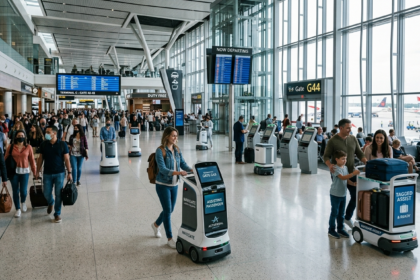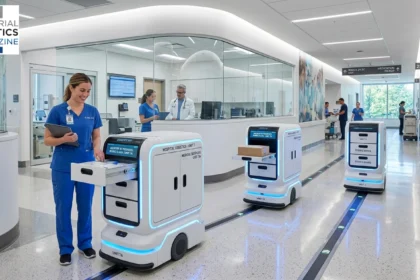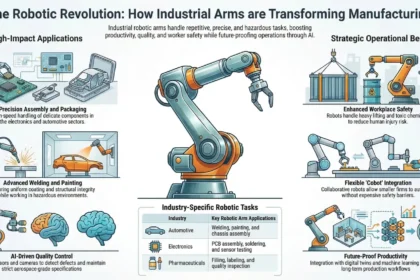
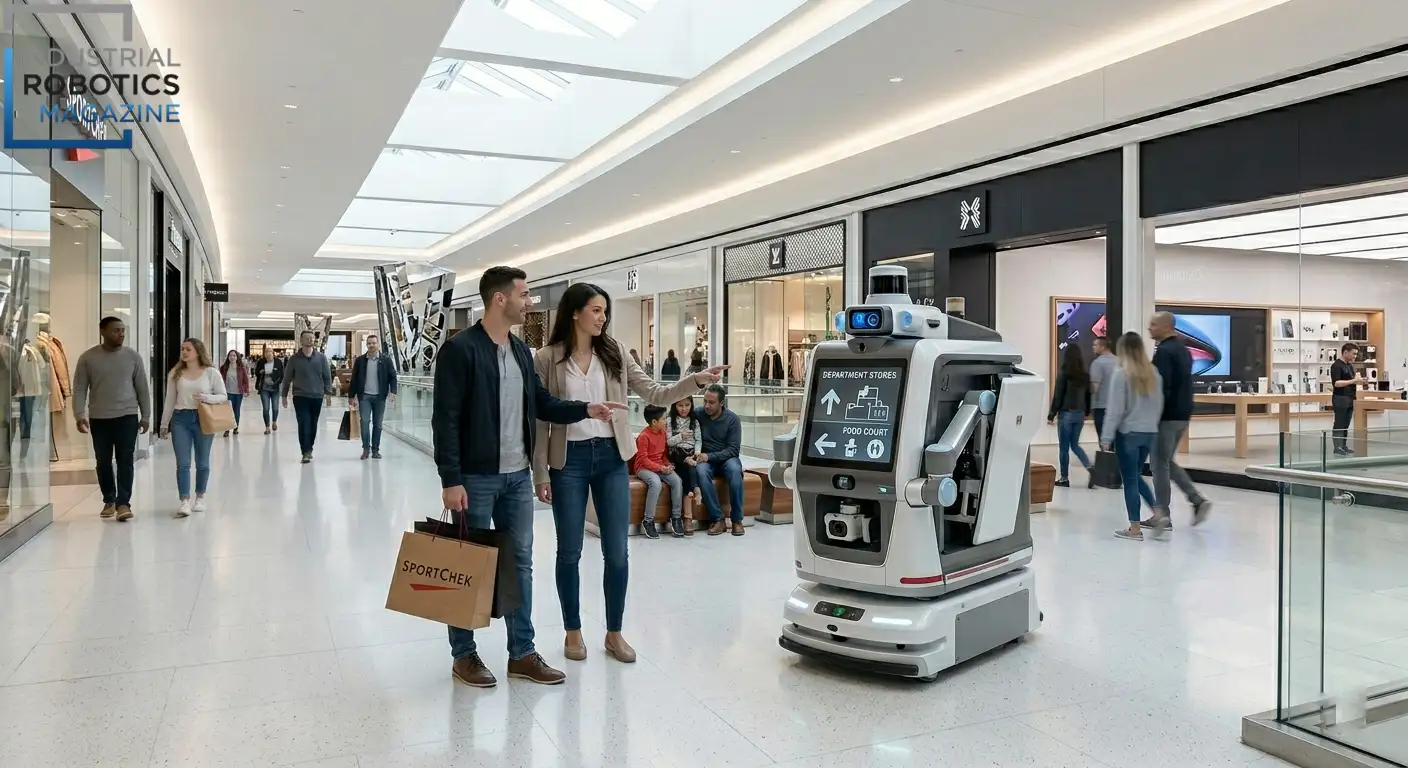
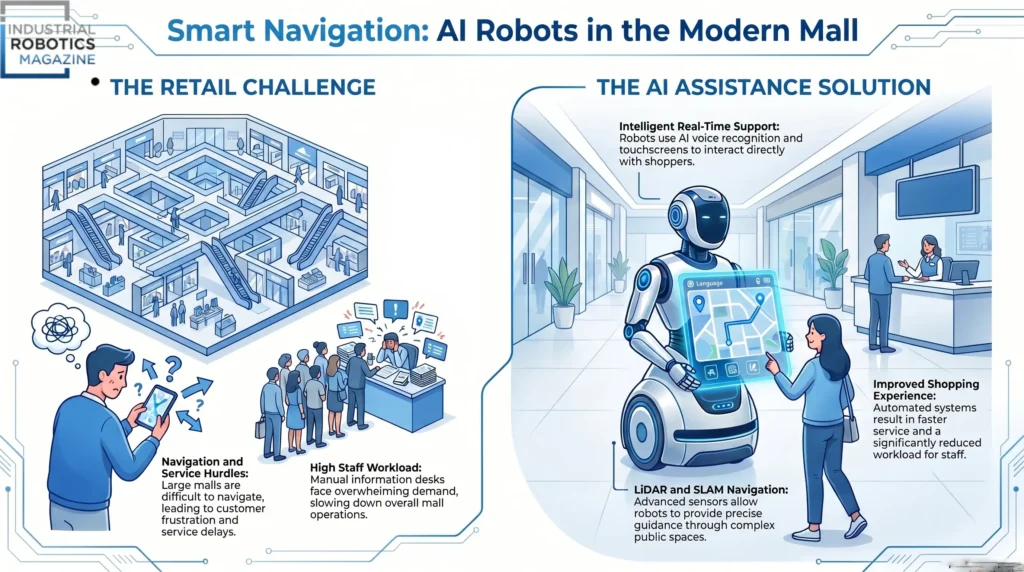
Shopping malls are becoming more advanced as businesses adopt automation and artificial intelligence to improve customer experience. Large malls can be difficult to navigate, especially during busy hours. Customers often need help locating stores, finding products, or accessing information quickly. Traditional customer service methods may not always provide fast or efficient assistance.
AI robots for customer assistance in shopping malls offer a modern solution. These robots use artificial intelligence, sensors, and interactive systems to guide customers, answer questions, and improve overall shopping experiences. As a result, malls can provide faster service while reducing workload for staff.
What Are AI Robots for Customer Assistance
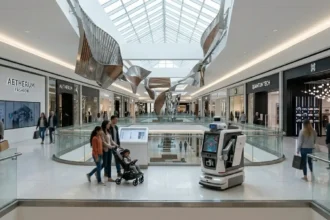
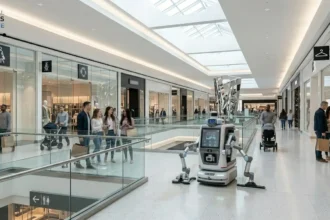
AI robots for customer assistance are autonomous or semi-autonomous service robots designed to interact with shoppers in retail environments. They can communicate with customers, provide directions, and deliver real-time information.
These robots are commonly used in:
- Shopping malls
- Retail stores
- Entertainment centers
- Airports and public spaces
In addition, they improve efficiency and customer engagement in busy environments.
How Do Customer Assistance Robots Work
AI customer assistance robots follow a structured process. First, sensors and cameras scan the surrounding environment. Next, artificial intelligence processes customer requests through voice recognition or touchscreen systems. Then, navigation systems help the robot guide customers to specific locations. Finally, the robot provides real-time assistance and information.
As a result, customers receive faster and more personalized support.
Key Technologies Behind Customer Assistance Robots
Artificial Intelligence
Artificial intelligence allows robots to understand questions and provide accurate responses. It helps improve communication and customer interaction.
Machine Learning
Machine learning enables robots to improve performance over time. For example, the system learns common customer requests and shopping patterns.
Navigation Systems
Navigation technologies such as LiDAR and SLAM allow robots to move safely through crowded shopping malls.
Sensors and Interactive Displays
Advanced sensors help robots detect obstacles and interact with shoppers efficiently. In addition, touchscreen displays improve user experience.
AI Robots vs Traditional Customer Service
Traditional customer service depends heavily on human staff. However, staff may not always be available during peak hours. As a result, customers can experience delays and frustration.
AI robots provide continuous assistance without fatigue. They can answer questions instantly and guide customers efficiently. Therefore, they improve both customer satisfaction and operational efficiency.
Real World Challenges
AI robots in shopping malls face several challenges. Crowded environments can make navigation difficult. In addition, different accents and languages may affect voice recognition accuracy.
Privacy concerns are also important when robots use cameras and sensors in public spaces. Despite these challenges, advancements in AI continue to improve system reliability.
Real World Applications
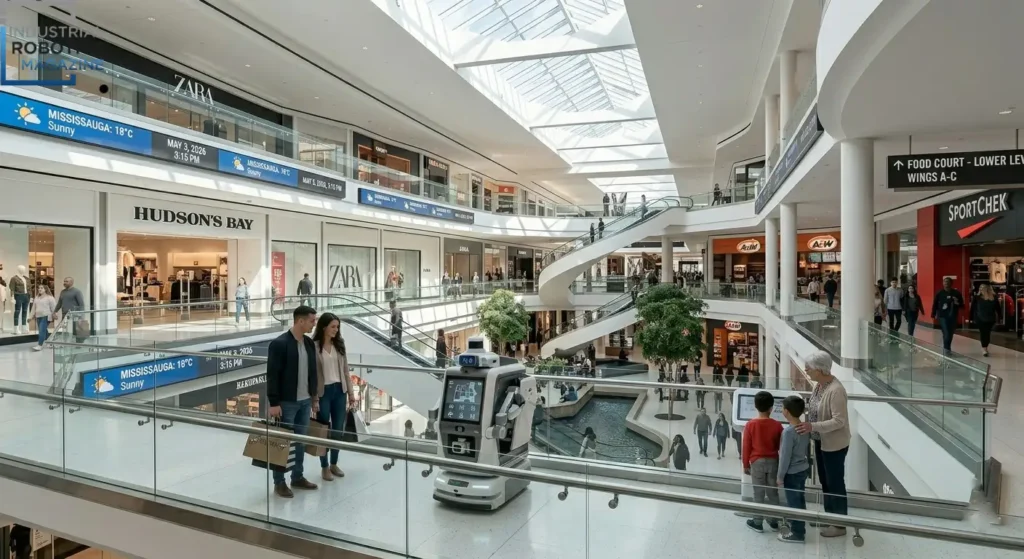
Many shopping malls around the world are testing AI customer assistance robots. These robots help visitors locate stores, provide promotional information, and guide customers through large shopping centers.
Companies such as SoftBank Robotics have introduced service robots designed for customer interaction in retail environments.
Benefits of AI Robots for Customer Assistance
AI robots provide several important benefits. They improve customer experience by offering faster assistance and accurate information. In addition, they reduce workload for mall staff.
These robots also improve operational efficiency and provide interactive shopping experiences. As a result, malls can deliver more modern and engaging services.
Future of AI Robots in Shopping Malls
The future of AI customer assistance robots is highly promising. These systems will become more intelligent and personalized. For example, future robots may provide customized shopping recommendations based on customer preferences.
Integration with mobile apps and smart retail systems will further improve shopping experiences. In addition, advancements in robotics will enhance communication and navigation capabilities.
Conclusion
AI robots for customer assistance in shopping malls are transforming retail experiences. They provide faster, smarter, and more interactive customer support while improving operational efficiency. As technology continues to evolve, these robots will become an important part of modern shopping environments.
FAQ
What are AI robots for customer assistance
They are robotic systems that help customers by providing information, directions, and support in shopping malls.
How do customer assistance robots work
They use artificial intelligence, sensors, and navigation systems to interact with customers and guide them.
Where are these robots used
They are used in shopping malls, retail stores, airports, and public spaces.
Do AI robots replace human staff
They assist staff by automating repetitive tasks but do not fully replace them.
Are AI customer assistance robots reliable
Yes, they improve efficiency and provide consistent customer support.