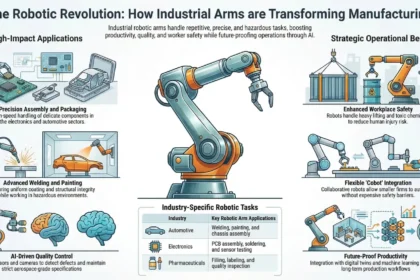
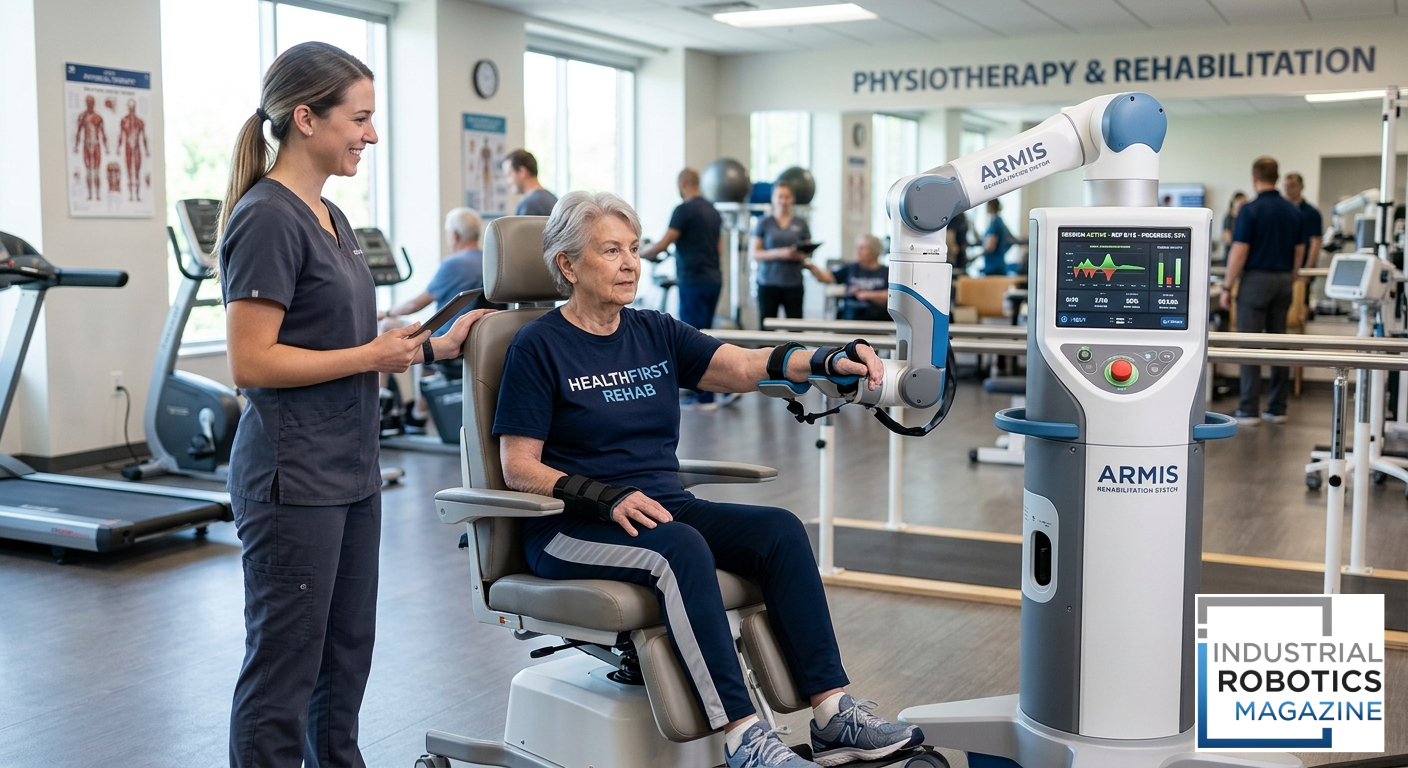
Artificial intelligence (AI) is rapidly transforming the healthcare industry, and one of its most impactful applications is in hospital robotics. As hospitals face increasing pressure to improve efficiency, reduce costs, and enhance patient care, AI-powered robots are emerging as essential tools in modern medical environments. From assisting in surgeries to automating routine tasks, AI is redefining how hospitals operate and deliver care.
AI enables robots to go beyond simple programmed actions by allowing them to learn, adapt, and make decisions in real time. Unlike traditional machines, AI-driven robots can analyze large amounts of data, recognize patterns, and respond to complex situations with precision. As a result, hospitals are increasingly integrating AI robotics into their workflows to improve accuracy, speed, and overall performance.
What Is AI in Hospital Robotics?
AI in hospital robotics refers to the integration of machine learning, computer vision, and data analytics into robotic systems used in healthcare settings. These technologies allow robots to perform tasks intelligently rather than relying solely on pre-programmed instructions.
For example, AI-powered robots can interpret medical images, monitor patient conditions, and assist healthcare professionals in making informed decisions. By combining robotics with AI, hospitals can create systems that not only perform tasks but also continuously improve over time based on data and experience.
Key Roles of AI in Hospital Robotics
1. Enhancing Surgical Precision
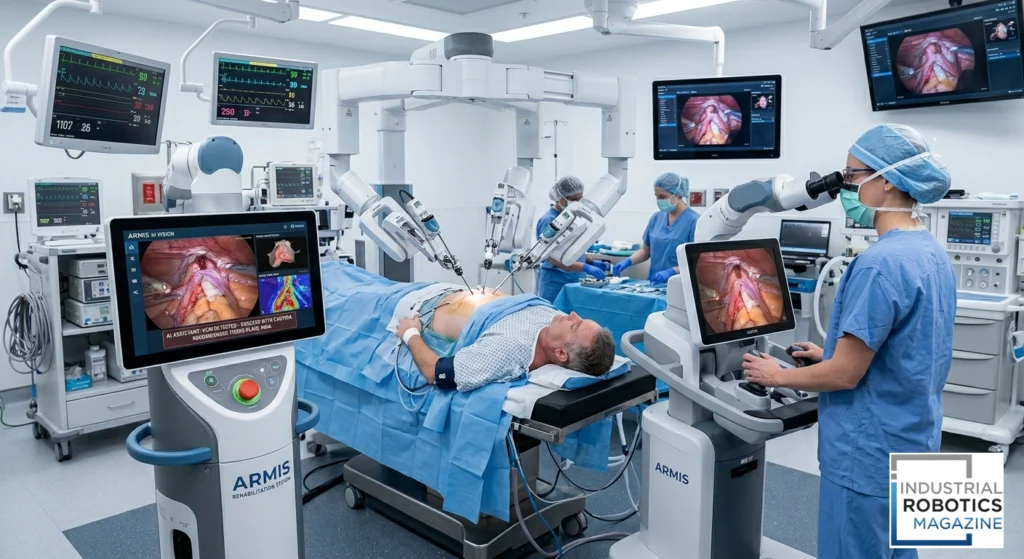
One of the most well-known applications of AI in hospital robotics is in robotic-assisted surgery. Surgical robots equipped with AI can analyze patient data, assist surgeons during procedures, and provide real-time feedback.
AI helps improve precision by reducing human error and enabling more accurate movements. Additionally, these systems can learn from previous surgeries, allowing for continuous improvement in surgical outcomes. This leads to shorter recovery times, fewer complications, and better overall patient care.
2. Automating Routine Hospital Tasks
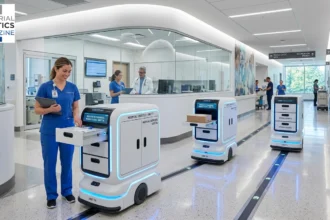
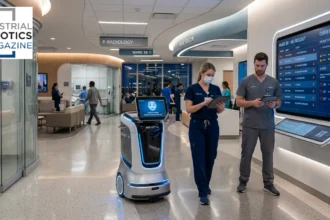
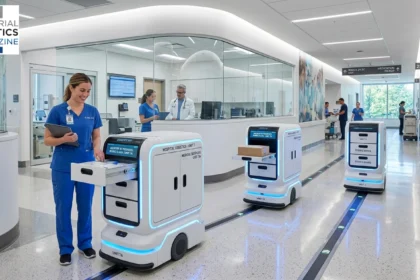
Hospitals rely heavily on routine tasks such as delivering medications, transporting supplies, and managing inventory. AI-powered service robots can handle these responsibilities efficiently, freeing up healthcare staff to focus on patient care.
These robots can navigate hospital environments using sensors and computer vision, avoiding obstacles and optimizing routes. Over time, AI allows them to become more efficient by learning patterns within the hospital, such as peak activity times and frequently used pathways.
3. Supporting Patient Monitoring and Care
AI-enabled robots can assist in monitoring patients by collecting and analyzing real-time health data. These robots can track vital signs, detect abnormalities, and alert medical staff when intervention is needed.
In some cases, robots can also interact with patients, providing reminders for medication or assisting with basic needs. This not only improves patient outcomes but also reduces the workload on nurses and other healthcare professionals.
4. Improving Infection Control
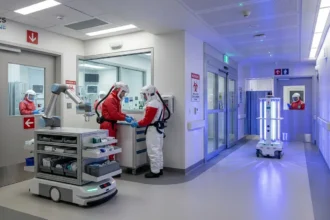
Maintaining a clean and safe hospital environment is critical. AI-powered disinfection robots use technologies such as ultraviolet (UV) light to eliminate harmful bacteria and viruses from surfaces.
AI enhances these robots by enabling them to identify high-risk areas, optimize cleaning routes, and ensure consistent disinfection. This is especially important in preventing the spread of infections within healthcare facilities.
5. Assisting in Rehabilitation
Rehabilitation robots powered by AI are helping patients recover from injuries, surgeries, and neurological conditions. These robots guide patients through exercises, monitor progress, and adjust treatment plans based on performance.
AI allows these systems to personalize therapy for each patient, improving effectiveness and accelerating recovery. Additionally, patients can receive consistent support without requiring constant supervision from healthcare staff.
Benefits of AI in Hospital Robotics
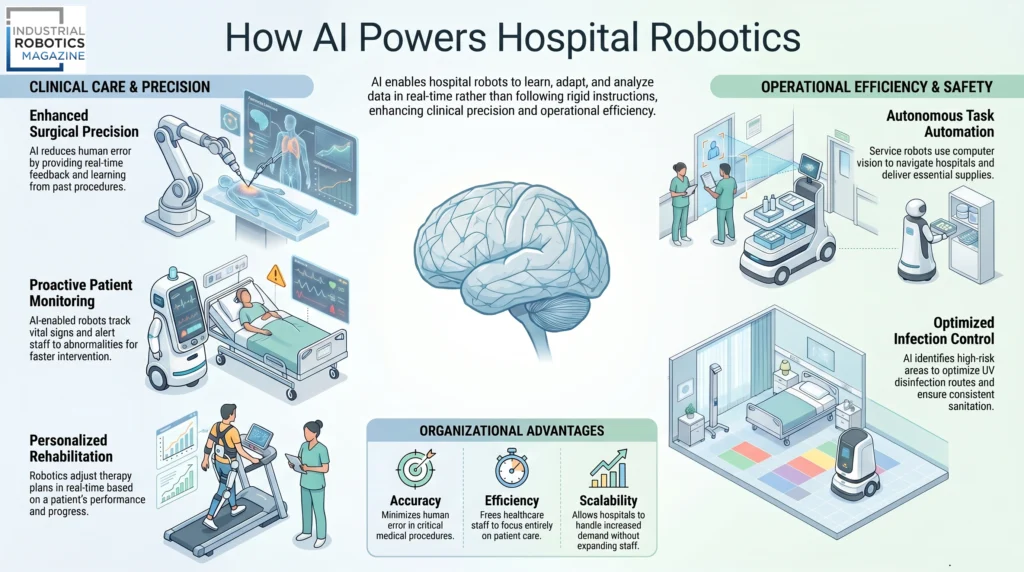
AI-driven robotics offers several key advantages for hospitals:
- Increased Efficiency: Automating repetitive tasks reduces workload and speeds up operations
- Improved Accuracy: AI minimizes human error, especially in critical procedures
- Enhanced Patient Care: Staff can focus more on patients rather than administrative tasks
- Cost Reduction: Streamlined processes help lower operational costs over time
- Scalability: Hospitals can handle increased demand without significantly expanding staff
Challenges and Considerations
Despite its benefits, implementing AI in hospital robotics comes with challenges. High initial costs, integration with existing systems, and the need for specialized training can slow adoption. Additionally, data privacy and security are major concerns when dealing with sensitive patient information.
Hospitals must also ensure that AI systems are reliable and transparent. While robots can assist healthcare professionals, they are not a replacement for human expertise. Maintaining a balance between technology and human care is essential.
The Future of AI in Hospital Robotics
The future of AI in hospital robotics is promising. As technology continues to advance, robots will become more intelligent, autonomous, and capable of handling complex tasks. We can expect greater integration of AI with technologies such as the Internet of Things (IoT), enabling fully connected and smart hospital environments.
In the coming years, AI-powered robots may play an even larger role in diagnostics, predictive healthcare, and personalized treatment plans. These advancements will help hospitals deliver faster, safer, and more effective care.
Final Thoughts
AI is revolutionizing hospital robotics by transforming how healthcare tasks are performed. From improving surgical precision to automating routine operations, AI-powered robots are enhancing efficiency and patient outcomes across the healthcare system.
As hospitals continue to adopt these technologies, the role of AI in robotics will only grow. While challenges remain, the potential benefits make AI an essential component of the future of healthcare. By combining human expertise with intelligent machines, hospitals can create a more efficient, accurate, and patient-centered system.
FAQ Section
1. What is AI in hospital robotics?
AI in hospital robotics refers to the use of artificial intelligence in robotic systems to perform healthcare tasks such as surgery, patient monitoring, and hospital automation. These systems can analyze data, make decisions, and adapt to real-time situations.
2. How does AI improve hospital robotics?
AI improves hospital robotics by increasing accuracy, reducing human error, and enabling real-time decision-making. It allows robots to assist in surgeries, automate routine tasks, and enhance patient monitoring systems.
3. What are the main uses of AI-powered robots in hospitals?
AI-powered robots are used in hospitals for surgical assistance, transporting medical supplies, monitoring patient health, disinfecting environments, and supporting rehabilitation processes.
4. Are AI-powered hospital robots safe?
Yes, AI-powered hospital robots are designed with strict safety standards and are monitored by healthcare professionals. They undergo testing to ensure reliability, precision, and safe interaction with patients.
5. Can AI robots replace healthcare professionals?
No, AI robots are designed to assist—not replace—healthcare professionals. They help improve efficiency and accuracy, while doctors and nurses remain responsible for decision-making and patient care.
6. What is the future of AI in hospital robotics?
The future of AI in hospital robotics includes more advanced automation, smarter diagnostics, and improved patient care through data-driven insights. Hospitals will continue to rely on AI to enhance efficiency and healthcare outcomes.