
Introduction
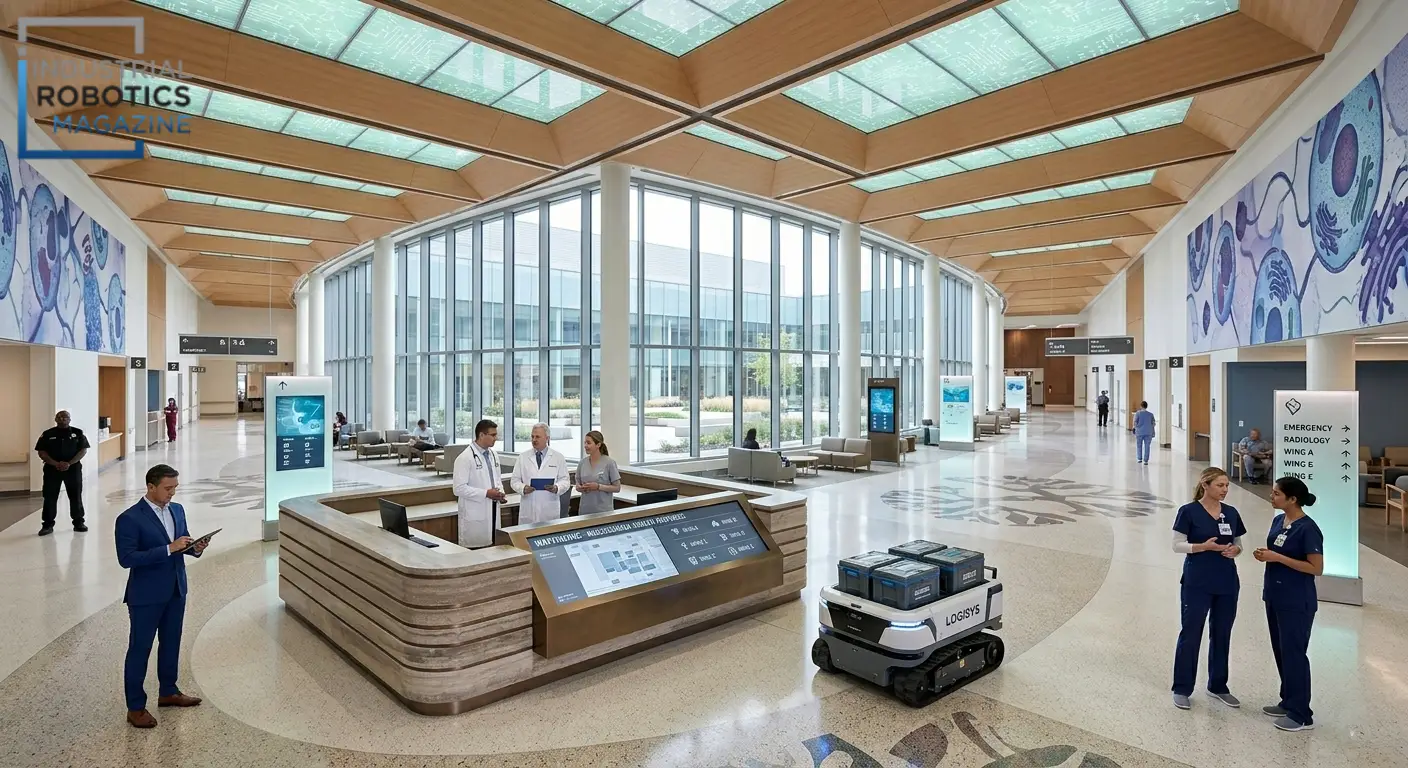
Cost of hospital delivery robots is one of the biggest questions hospitals ask before investing in automation. The price is not just about buying a robot. Hospitals also pay for navigation technology, software integration, maintenance, staff training, and workflow setup.
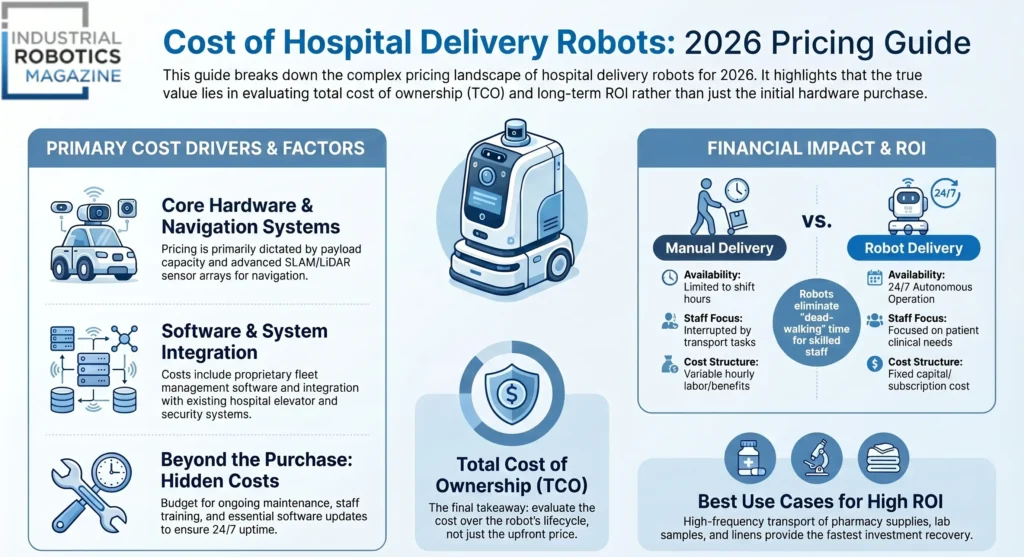
The cost of hospital delivery robots depends on payload capacity, navigation systems, software, fleet management, and hospital integration. Most hospitals must consider both the upfront robot price and the long-term total cost of ownership, including maintenance, service, training, and infrastructure changes.
Hospital delivery robots can be expensive upfront, but the real issue is whether they reduce enough labor pressure, delivery delays, and operational waste to justify the investment. For high-volume hospitals, understanding the cost of hospital delivery robots helps leaders decide if automation is a smart operational upgrade or an unnecessary expense.
What Determines the Cost of Hospital Delivery Robots?
The price of a hospital delivery robot is not based on the robot alone. The final cost depends on how advanced the system needs to be and how difficult the hospital environment is.
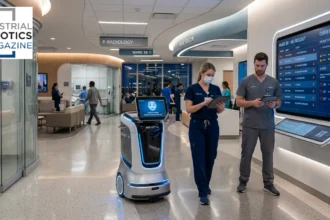
Hospitals are complex spaces. A delivery robot may need to move through crowded hallways, avoid patients and staff, use elevators, pass through automatic doors, and deliver items securely to different departments. That complexity directly affects the price.
The biggest cost factors include:
- Robot hardware
- Navigation technology
- Payload capacity
- Software and fleet management
- Elevator and door integration
- Maintenance and service plans
- Staff training
- Hospital workflow customization
A small robot used for light deliveries will cost less than a heavy-duty autonomous mobile robot designed for linen, pharmacy, lab samples, or medical supply transport.
How Much Do Hospital Delivery Robots Cost?
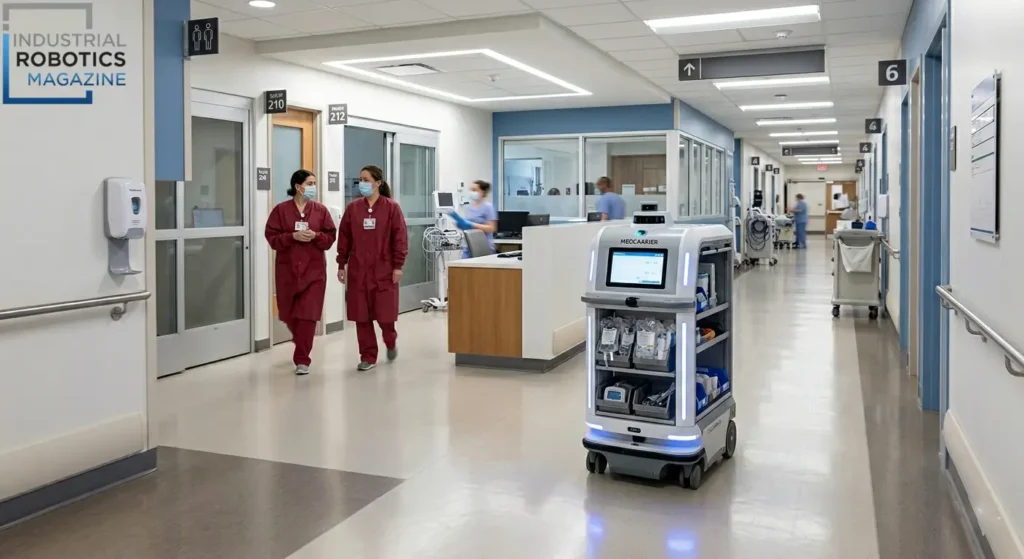
The hospital delivery robot price can vary widely depending on features and deployment size. A single robot may be affordable for a pilot project, but a full hospital rollout can become a major investment.
| Cost Component | What It Covers | Typical Impact on Price |
|---|---|---|
| Robot hardware | Base robot, motors, battery, body, payload system | High |
| Navigation system | SLAM, LiDAR, cameras, sensors | High |
| Software | Fleet dashboard, routes, alerts, reporting | Medium to high |
| Integration | Elevators, doors, hospital systems | High |
| Maintenance | Repairs, updates, support | Ongoing |
| Training | Staff onboarding and workflow changes | Medium |
The mistake many buyers make is only asking for the robot price. That is beginner-level thinking. The real cost is the total cost of ownership.
Why Are Hospital Delivery Robots Expensive?
Hospital delivery robots are expensive because they must operate safely in unpredictable environments.
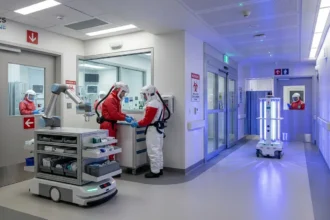
A warehouse robot moves in a controlled environment. A hospital robot moves around patients, nurses, visitors, beds, wheelchairs, medical carts, and emergency situations. That means it needs stronger safety systems and smarter navigation.
1. Advanced Navigation
Hospital robots often use SLAM, LiDAR, cameras, and sensors to move safely through real spaces. These systems allow robots to map hallways, avoid obstacles, and adjust routes in real time.
2. Secure Delivery Features
Hospitals may need robots to transport:
- Medications
- Lab samples
- Sterile supplies
- Patient meals
- Linens
- Waste
For sensitive items, robots may need locked compartments, authentication systems, tracking, or delivery confirmation.
3. Integration With Hospital Infrastructure
This is where the cost can jump fast.
A hospital robot may need to communicate with:
- Elevators
- Automatic doors
- Nurse stations
- Pharmacy systems
- Security systems
- Hospital logistics software
If the hospital has old infrastructure, integration becomes harder and more expensive.
What Is the ROI of Hospital Delivery Robots?
The ROI of hospital delivery robots depends on how often the robot is used and what tasks it replaces.
A robot sitting idle is wasted money. A robot running repeated delivery routes all day can become valuable very quickly.
Hospital delivery robots can reduce costs by improving:
- Staff efficiency
- Delivery speed
- Task consistency
- Internal logistics
- Patient-facing staff time
The biggest value is not always direct labor replacement. The real value is reducing wasted time. If nurses, technicians, or support staff spend hours walking supplies across the hospital, automation can return that time to higher-value work.
Real-World Example: Hospital Delivery Robot ROI
Imagine a mid-sized hospital using staff to manually move lab samples, medications, and supplies between departments.
Before automation:
- Staff spend hours per day on transport tasks
- Deliveries are delayed during busy periods
- Nurses lose time on non-clinical work
- Internal logistics depend heavily on human availability
After deploying hospital delivery robots:
- Routine deliveries become automated
- Staff focus more on patient care
- Delivery routes become more consistent
- Departments receive supplies faster
- Manual walking time is reduced
This is where hospital delivery robots start to make financial sense. They are not valuable because they look futuristic. They are valuable because they attack repetitive operational waste.
Are Hospital Delivery Robots Worth the Cost?
Yes, but only for the right hospital.
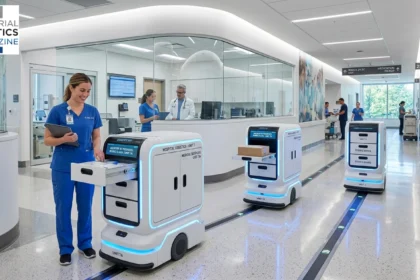
A hospital delivery robot is worth the cost when the facility has high internal transport demand. If a hospital constantly moves medications, lab samples, meals, linen, supplies, and waste across multiple departments, automation can create strong value.
Hospital delivery robots are worth considering if:
- Staff are overloaded
- Delivery delays are common
- Internal transport is repetitive
- The hospital has multiple departments or floors
- There is enough volume to keep robots active
- Leadership is serious about workflow integration
They are probably not worth it if:
- The hospital is very small
- Delivery volume is low
- Staff refuse to adopt the system
- There is no integration plan
- Robots are treated as a gimmick instead of infrastructure
Blunt truth: buying robots without workflow planning is trash. The robot will not fix a broken system by itself.
Cost of Hospital Delivery Robots vs Manual Delivery
| Factor | Manual Delivery | Hospital Delivery Robots |
|---|---|---|
| Upfront cost | Low | High |
| Long-term labor demand | High | Lower |
| Consistency | Depends on staff availability | More consistent |
| Tracking | Limited | Stronger digital tracking |
| Scalability | Requires more staff | Add robots/fleet software |
| Best use | Low-volume facilities | High-volume hospitals |
Manual delivery looks cheaper at first. But in high-volume hospitals, repeated manual transport creates hidden costs: delays, staff fatigue, wasted clinical time, and inconsistent workflows.
Hidden Costs Hospitals Should Expect
The cost of hospital delivery robots does not stop after purchase.
Hospitals should also plan for:
Staff Training
Staff need to understand how to load, receive, troubleshoot, and work around robots safely.
Maintenance
Robots need battery care, software updates, repairs, and technical support.
Infrastructure Changes
Some hospitals may need upgrades to doors, elevators, Wi-Fi coverage, or charging areas.
Software Fees
Fleet management platforms may include ongoing subscription or support costs.
Workflow Redesign
Departments may need to change how items are requested, loaded, tracked, and received.
This is why hospitals should calculate total cost of ownership, not just the purchase price.
Best Use Cases for Hospital Delivery Robots
Hospital delivery robots work best when the task is repetitive, predictable, and high-volume.
Strong use cases include:
- Pharmacy delivery
- Lab sample transport
- Meal delivery
- Linen movement
- Supply transport
- Waste movement
- Sterile equipment delivery
The best tasks are the ones that happen all day and waste staff time.
Final Verdict
The cost of hospital delivery robots can be high, but the investment makes sense when hospitals use them to reduce repetitive transport work, improve delivery reliability, and free staff for higher-value tasks.
The wrong way to buy hospital robots is to focus only on the sticker price. The smart way is to calculate the full cost of ownership, expected labor savings, integration needs, and long-term workflow value.
Hospitals with heavy internal logistics should not ask, “Can we afford delivery robots?”
They should ask, “How much time and money are we losing by not automating repetitive transport?”
FAQs
How much do hospital delivery robots cost?
The cost varies depending on robot size, payload capacity, navigation technology, software, and integration needs. Hospitals should calculate total cost of ownership, not just the base robot price.
Are hospital delivery robots worth it?
Yes, if the hospital has high delivery volume and repetitive internal transport tasks. They are most valuable when used consistently across departments.
What affects hospital delivery robot pricing?
The biggest factors are hardware, SLAM or LiDAR navigation, payload capacity, software, elevator integration, maintenance, and staff training.
Do hospital delivery robots replace staff?
No. They usually reduce repetitive transport work so nurses, technicians, and support staff can focus on higher-value responsibilities.
What is the best use case for hospital delivery robots?
The strongest use cases include medication delivery, lab sample transport, supply movement, meal delivery, and linen logistics.





One Comment