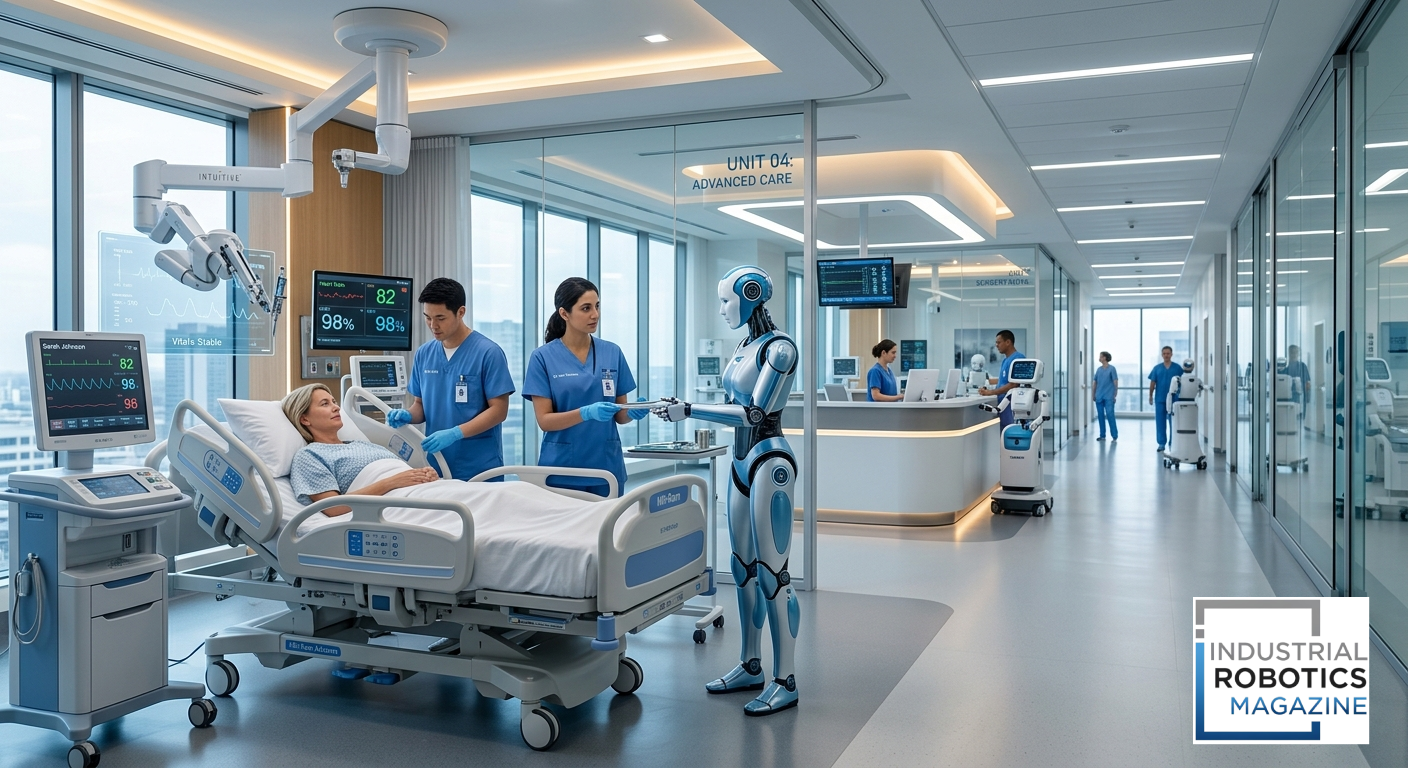
Healthcare is rapidly evolving with the integration of advanced technologies, and robotics is playing a major role in transforming how hospitals and clinics operate. From assisting in surgeries to automating routine tasks, robots are improving efficiency, accuracy, and patient care. As the demand for faster and more reliable healthcare services continues to grow, medical facilities are increasingly turning to robotics to reduce workloads, enhance precision, and support healthcare professionals.
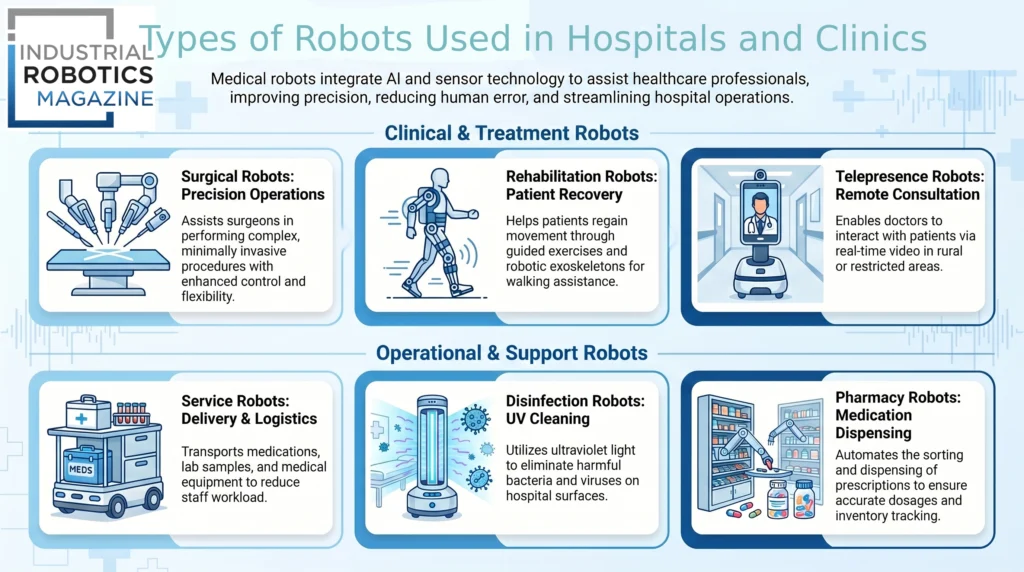
Hospitals and clinics are using a wide range of robots, including surgical, service, disinfection, and rehabilitation robots. These technologies help improve patient care, reduce human error, and streamline healthcare operations.
What Are Medical Robots?
Medical robots are programmable machines designed to assist healthcare professionals in performing complex or repetitive tasks. These robots can operate autonomously or be controlled by humans, depending on their function. They are widely used in hospitals, clinics, and laboratories to improve efficiency and ensure consistent results.
Medical robots are equipped with advanced technologies such as artificial intelligence (AI), sensors, and computer vision. As a result, they can perform tasks with a high level of precision and reliability while supporting healthcare professionals in complex environments.
1. Surgical Robots
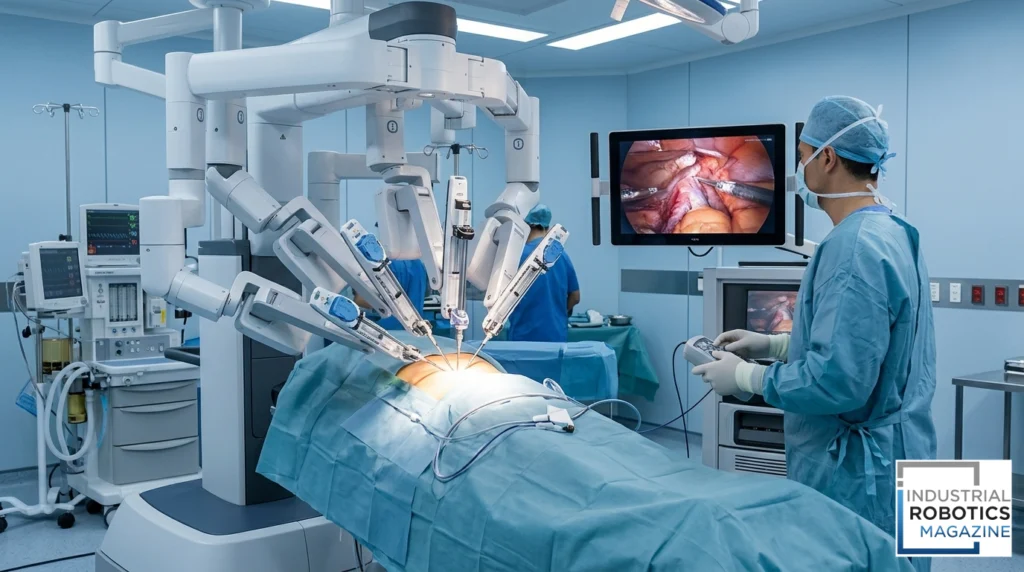
Surgical robots are one of the most well-known types of medical robots. These systems assist surgeons in performing complex procedures with enhanced precision, flexibility, and control.
Key Features:
- Minimally invasive procedures
- High precision and accuracy
- Reduced risk of complications
- Faster recovery times for patients
Surgeons control these robots using a console, allowing for extremely precise movements that are difficult to achieve with human hands alone. Surgical robots are commonly used in procedures such as heart surgery, urology, and gynecology.
2. Service Robots
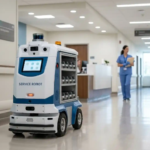
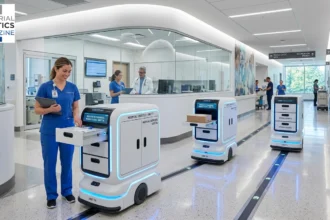
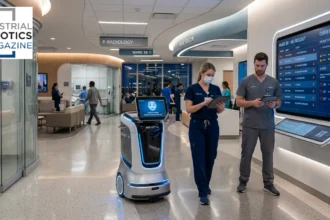
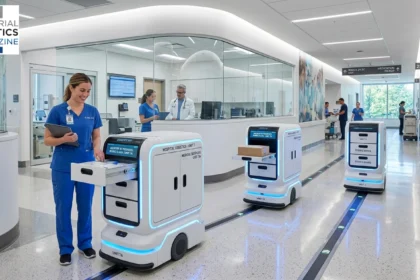
Service robots are used in hospitals to handle routine tasks such as delivering medications, transporting supplies, and assisting staff with logistics.
Common Uses:
- Delivering medications and lab samples
- Transporting medical equipment
- Assisting with inventory management
These robots help reduce the workload of healthcare workers, allowing them to focus more on patient care. They improve efficiency by completing tasks quickly and consistently.
3. Disinfection Robots
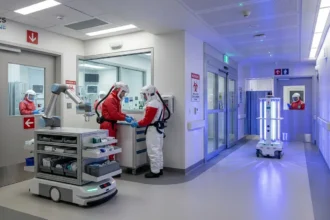
Disinfection robots have become increasingly important, especially after the COVID-19 pandemic. These robots use technologies such as ultraviolet (UV) light to disinfect hospital rooms and surfaces.
Benefits:
- Eliminates harmful bacteria and viruses
- Reduces risk of infection
- Provides consistent cleaning results
By automating the disinfection process, hospitals can maintain a cleaner and safer environment for both patients and staff.
4. Rehabilitation Robots
Rehabilitation robots assist patients recovering from injuries, surgeries, or neurological conditions. These robots help patients regain movement and strength through guided exercises.
They provide consistent support and allow patients to recover more efficiently compared to traditional therapy methods.
Examples:
- Robotic exoskeletons for walking assistance
- Therapy robots for physical rehabilitation
- Devices for stroke recovery
These robots provide consistent therapy sessions and can track patient progress over time, improving recovery outcomes.
5. Telepresence Robots
Telepresence robots allow doctors to interact with patients remotely. These robots are equipped with cameras, microphones, and screens, enabling real-time communication.
Advantages:
- Remote consultations
- Increased access to healthcare
- Reduced need for physical presence
Telepresence robots are especially useful in rural areas or during situations where in-person visits are limited.
6. Pharmacy Automation Robots
Pharmacy robots are used to automate the preparation and dispensing of medications. These systems ensure accurate dosage and reduce the risk of human error.
Key Functions:
- Sorting and dispensing medication
- Managing prescriptions
- Tracking inventory
These robots improve efficiency and ensure patients receive the correct medications.
Benefits of Using Robots in Healthcare
Robots provide several advantages in hospitals and clinics:
- Improved Accuracy: Reduces human error in critical tasks
- Increased Efficiency: Automates repetitive processes
- Enhanced Safety: Minimizes exposure to infections
- Better Patient Care: Allows staff to focus more on patients
Challenges of Medical Robots
Despite their benefits, medical robots also come with challenges:
- High cost of implementation
- Need for specialized training
- Maintenance and technical issues
- Limited accessibility in smaller facilities
However, as technology advances, these challenges are gradually being addressed.
Future of Robotics in Healthcare
The future of healthcare robotics is promising. Advancements in AI, machine learning, and robotics will lead to more intelligent and capable systems.
Emerging Trends:
- AI-powered diagnostic robots
- Fully autonomous surgical systems
- Advanced rehabilitation technologies
- Integration with healthcare data systems
These innovations will continue to improve patient outcomes and transform the healthcare industry.
Real-World Examples of Robots Used in Hospitals
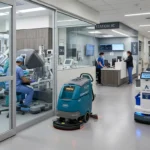
Robots used in hospitals are already being implemented in real healthcare environments across the world. Surgical robots are used in complex procedures to improve precision and reduce recovery times. Service robots assist staff by delivering medications, transporting supplies, and supporting daily hospital operations.
Disinfection robots are used to sanitize hospital rooms using ultraviolet light, helping reduce the spread of infections. Rehabilitation robots help patients recover by guiding physical therapy exercises and improving mobility.
As these technologies continue to evolve, hospitals are increasingly adopting robotic systems to improve efficiency, enhance patient care, and reduce the workload on healthcare professionals.
Final Verdict
Robots are becoming an essential part of modern healthcare. From performing surgeries to assisting with daily hospital operations, these technologies are improving efficiency, accuracy, and patient care. As robotics continues to evolve, hospitals and clinics will increasingly rely on these systems to meet growing healthcare demands.
FAQ Section
1. What are the most common robots used in hospitals?
Surgical robots, service robots, and disinfection robots are among the most commonly used.
2. Are medical robots safe?
Yes, medical robots are designed with strict safety standards and are often controlled or monitored by professionals.
3. Can robots replace doctors?
No, robots assist doctors but do not replace their expertise and decision-making.
4. Why are robots important in healthcare?
They improve efficiency, reduce errors, and enhance patient care.