Introduction
Autonomous robots for pandemic response are no longer just futuristic technology. During infectious disease outbreaks, hospitals face staff shortages, infection risks, supply chain pressure, and overwhelming patient demand. Robots can help reduce unnecessary human exposure while keeping essential hospital operations moving.
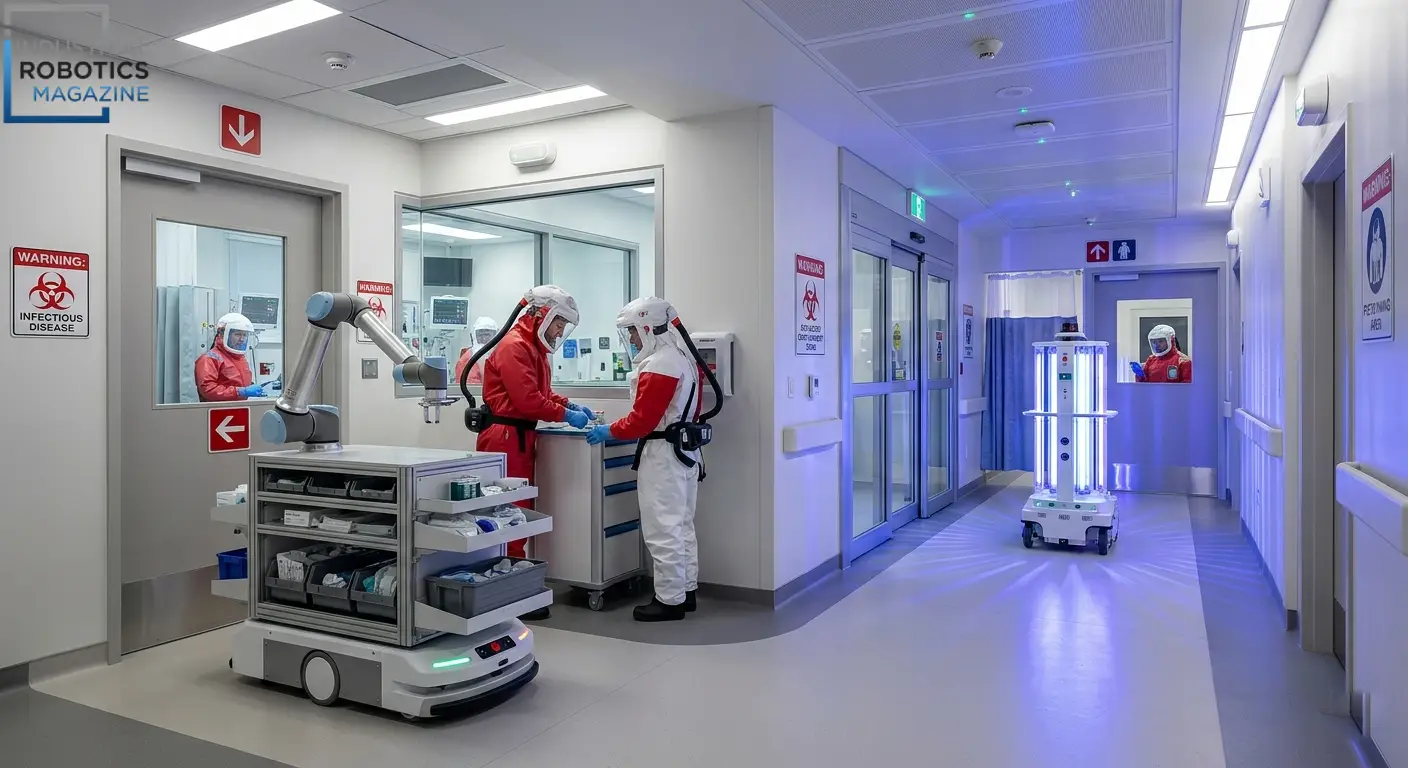
Autonomous robots for pandemic response support hospitals by handling disinfection, delivery, screening, logistics, remote communication, and patient support during outbreaks. They reduce direct contact, protect staff, improve operational continuity, and help healthcare facilities respond faster when human teams are under extreme pressure
The point is not to replace doctors or nurses. That idea is weak. The real value is using robots for repetitive, high-risk, and time-consuming tasks so healthcare workers can focus on clinical care.
What Are Autonomous Robots for Pandemic Response?
Autonomous robots for pandemic response are robotic systems designed to operate with limited human control during health emergencies. They can move through hospitals, deliver supplies, disinfect rooms, support screening, or help patients communicate with staff and families.
These robots may include:
- Autonomous mobile robots
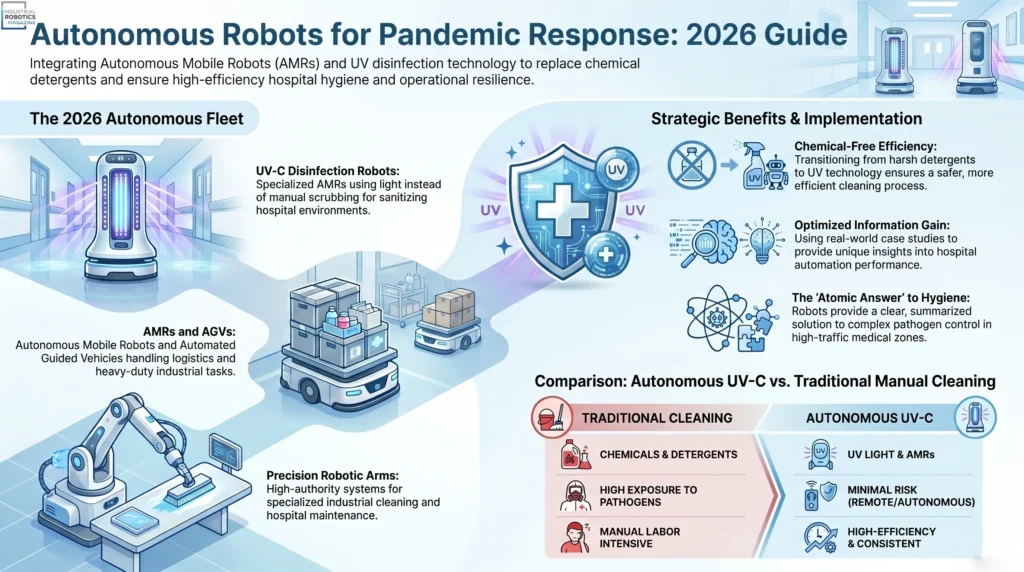
- UV-C disinfection robots
- Hospital delivery robots
- Telepresence robots
- Screening and temperature-check robots
- Service robots for patient support
- Logistics robots for supplies and waste
During a pandemic, the goal is simple: reduce unnecessary contact while maintaining hospital efficiency.
Robotics became a major area of interest during COVID-19 because hospitals needed safer ways to manage cleaning, delivery, monitoring, and communication under extreme pressure. Reviews of pandemic robotics research found applications across disinfection, logistics, telemedicine, surveillance, and patient care support.
Why Are Robots Useful During Pandemics?
Pandemics expose weak systems fast. If a hospital depends entirely on humans for every delivery, cleaning task, screening point, and communication need, staff become overloaded.
1. Reducing Human Exposure
Robots can enter high-risk zones where repeated human entry increases infection risk.
They can support:
- Isolation room delivery
- Contaminated area disinfection
- Remote patient check-ins
- Contactless supply movement
This protects healthcare workers from unnecessary exposure.
2. Supporting Overloaded Staff
During outbreaks, nurses, cleaners, porters, and support teams face brutal workloads. Robots can take over repetitive non-clinical work, including deliveries, room disinfection, and basic guidance.
3. Maintaining Hospital Operations
A pandemic does not stop hospital logistics. Medication, food, lab samples, PPE, linen, and waste still need to move. Autonomous robots help keep these operations running even when staffing is limited.
How Do Autonomous Robots Help During Pandemics?
Autonomous robots help by handling tasks that are repetitive, risky, or time-sensitive.
1. Disinfection and Infection Control
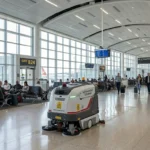
Disinfection robots use UV-C light or automated cleaning systems to reduce contamination in rooms, corridors, and high-touch areas.
They are useful in:
- Patient rooms
- Isolation areas
- Operating rooms
- Emergency departments
- Waiting areas
- High-traffic corridors
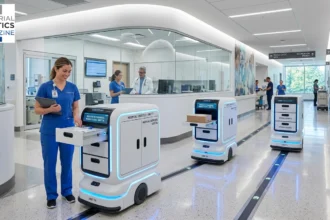
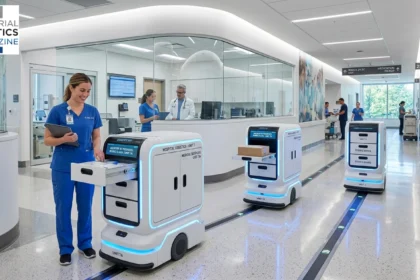
Delivery robots can transport:
- Medication
- Lab samples
- PPE
- Meals
- Linen
- Documents
- Medical supplies
This reduces unnecessary staff movement between departments. Hospitals comparing delivery automation should also understand the cost of hospital delivery robots before investing.
3. Remote Communication
Telepresence robots help staff communicate with patients without entering rooms unnecessarily. They can also support family communication when visitors are restricted.
This matters because isolation is not just a medical issue. It also affects patient stress, communication, and emotional support.
4. Screening and Front-Door Support
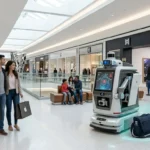
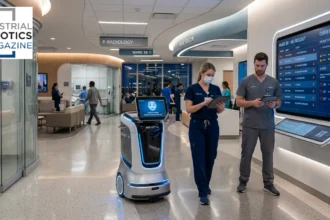
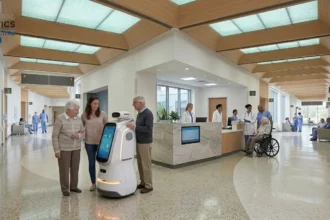
Some robots can support visitor screening, basic questions, wayfinding, and check-in guidance. During a pandemic, hospital entrances become pressure points. Robots can help manage repetitive front-desk tasks.
Types of Pandemic Response Robots
| Robot Type | Main Use | Pandemic Benefit |
|---|---|---|
| Disinfection robots | UV-C or automated cleaning | Reduces contamination risk |
| Delivery robots | Move supplies, food, samples | Supports contactless logistics |
| Telepresence robots | Remote staff-patient communication | Reduces room entries |
| Screening robots | Visitor questions and checks | Reduces front desk pressure |
| Logistics robots | Move PPE, linen, waste | Keeps hospital operations moving |
| Guidance robots | Direct visitors and patients | Reduces crowding and confusion |
The strongest hospitals do not use one robot randomly. They match robot type to workflow problem.
Real-World Example: Pandemic Response Robots in Action
Imagine a hospital during a respiratory virus outbreak.
Before using robots:
- Staff repeatedly enter isolation rooms
- Cleaning teams face heavy exposure risk
- Nurses leave units for routine supplies
- Visitors crowd reception for directions
- Patients feel isolated from families
- Internal delivery slows down under pressure
After adding autonomous robots:
- Delivery robots bring supplies to isolation areas
- UV robots support room disinfection
- Telepresence robots reduce unnecessary room entry
- Reception robots answer common visitor questions
- Staff spend more time on direct patient care
- Hospital workflows become more consistent
The robot is not the hero. The system is. Robots only work when they are placed into the right workflow.
Benefits of Autonomous Robots for Pandemic Response
Reduced Infection Exposure
Robots can reduce unnecessary human movement in high-risk environments.
Better Staff Efficiency
Staff spend less time on repetitive transport, cleaning support, and basic communication tasks.
Faster Response During Surges
Robots can run repeated tasks consistently, even during high-pressure periods.
Improved Patient Support
Telepresence and service robots can help patients communicate, receive guidance, and access support.
Stronger Hospital Resilience
Hospitals with automation are better prepared for future outbreaks because they are less dependent on manual workflows alone.
Challenges of Pandemic Response Robots
This is where weak blogs lie. Robots are useful, but they are not magic.
1. High Cost
Robots require hardware, software, training, maintenance, and integration.
2. Workflow Integration
If robots are not connected to actual hospital workflows, they become expensive decorations.
3. Staff Training
Staff must understand when, how, and why to use robots.
4. Patient Trust
Some patients may feel uncomfortable interacting with robots, especially during stressful medical situations.
5. Maintenance and Reliability
Robots need charging, updates, repairs, cleaning, and technical support.
Blunt truth: buying robots without a deployment plan is trash. A robot cannot fix a broken hospital workflow by itself.
Are Autonomous Robots Worth It for Pandemic Response?
Yes, but only when they solve real operational problems.
They are worth considering when:
- Staff exposure risk is high
- Internal delivery demand is heavy
- Disinfection workload is intense
- Patient isolation is common
- Front desk pressure increases
- Hospital leadership supports integration
They are not worth it when:
- The hospital has no clear use case
- Staff are not trained
- Robots are bought for publicity
- Maintenance is ignored
- Workflows are not redesigned
The key question is not “Should hospitals buy robots?”
The better question is: Which pandemic response tasks are repetitive, risky, and predictable enough for robots to handle?
Future of Autonomous Robots in Pandemic Preparedness
The next generation of pandemic response robots will likely be more connected, more flexible, and easier to deploy.
Future improvements may include:
- Better AI navigation
- Faster hospital mapping
- Stronger telepresence tools
- Smarter disinfection scheduling
- Fleet management dashboards
- Integration with hospital command centers
- Better outbreak-response analytics
Robotics research during and after COVID-19 showed that robots can support healthcare delivery, logistics, disinfection, and remote interaction during public health emergencies. Research on robotic systems during the pandemic shows how robots supported disinfection, logistics, monitoring, and healthcare operations during COVID-19.
Final Verdict
Autonomous robots for pandemic response are not a luxury anymore. They are becoming part of hospital resilience planning.
They help hospitals reduce exposure, support overloaded staff, maintain logistics, improve disinfection, and protect patient care during infectious disease outbreaks.
The smart approach is not to buy robots because they look innovative. The smart approach is to identify the highest-risk, most repetitive pandemic-response tasks and automate those first.
Hospitals that prepare early will respond faster. Hospitals that wait until the next crisis will be improvising under pressure.
FAQ
What are autonomous robots for pandemic response?
They are robots used during infectious disease outbreaks to support disinfection, contactless delivery, screening, communication, logistics, and patient support.
How do robots help during pandemics?
They reduce unnecessary human exposure, support overloaded staff, improve delivery consistency, and help hospitals continue operations during outbreaks.
What types of robots are useful during pandemics?
Useful robots include UV disinfection robots, delivery robots, telepresence robots, screening robots, logistics robots, and hospital guidance robots.
Do pandemic response robots replace healthcare workers?
No. They support healthcare workers by handling repetitive or high-risk tasks so staff can focus on clinical care.
Are autonomous robots worth it for hospitals?
Yes, if the hospital has clear use cases such as disinfection, isolation-room delivery, logistics support, or remote patient communication.