Losing personal belongings in busy places like airports, hospitals, and shopping malls is very common. As a result, people often feel stressed and frustrated. Traditional lost and found systems depend on manual reporting. However, these systems are slow and often unreliable.
AI robots for lost and found services provide a modern solution. They use artificial intelligence, sensors, and automation to detect and manage lost items. As a result, recovery becomes faster and more efficient.
What Are AI Robots for Lost and Found Services
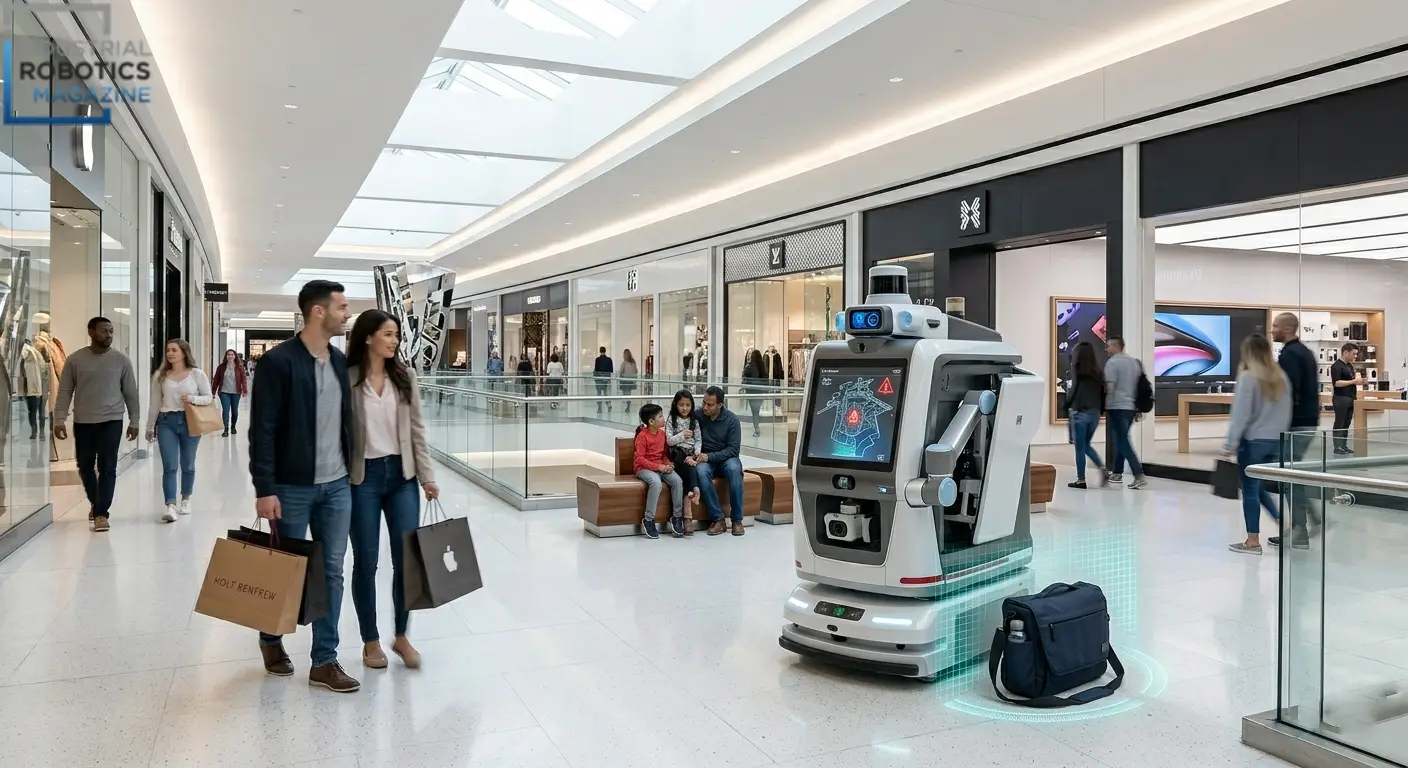
AI robots for lost and found services are autonomous systems designed to locate and manage misplaced items. They operate independently and can scan large environments without human help.
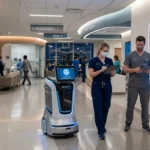
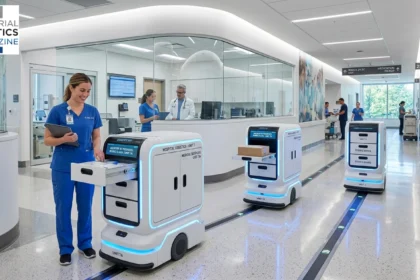
These robots are commonly used in airports, hospitals, malls, and disinfection robots in healthcare environments.
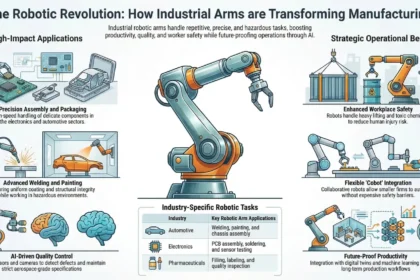
These robots are also part of broader automation systems used across industries.
In addition, they help reduce the workload on staff while improving overall efficiency.
How Do AI Lost and Found Robots Work
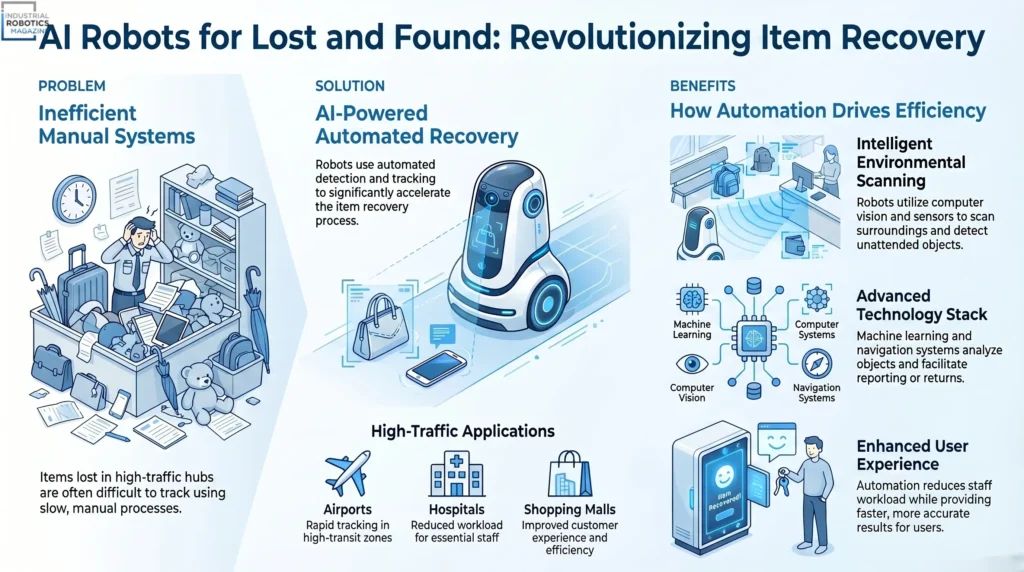
AI robots operate through a structured and intelligent workflow.
First, the robot continuously scans its surroundings using cameras and sensors.
Second, computer vision systems analyze objects in the environment and identify unusual placements.
Third, machine learning algorithms determine whether an item is likely lost or unattended.
Finally, the robot either alerts staff, logs the item in a system, or transports it to a designated area.
This automated process allows organizations to respond faster and more efficiently compared to traditional methods.
Key Technologies Behind AI Lost and Found Robots
Computer Vision
Computer vision enables robots to recognize and classify objects such as bags, phones, wallets, and other personal belongings. It allows the robot to detect anomalies, such as items left unattended for extended periods.
Machine Learning
Machine learning allows robots to improve over time. By analyzing patterns and past data, the system becomes more accurate in identifying lost items and predicting user behavior.
Sensors and Navigation Systems
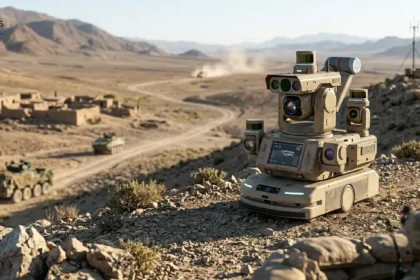
Sensors, including LiDAR and depth cameras, allow robots to move safely through crowded environments. Navigation systems help robots patrol areas systematically and cover large spaces efficiently.
Data Integration Systems
AI robots often connect to centralized databases where lost items are recorded. This allows seamless tracking and easier retrieval for both staff and users.
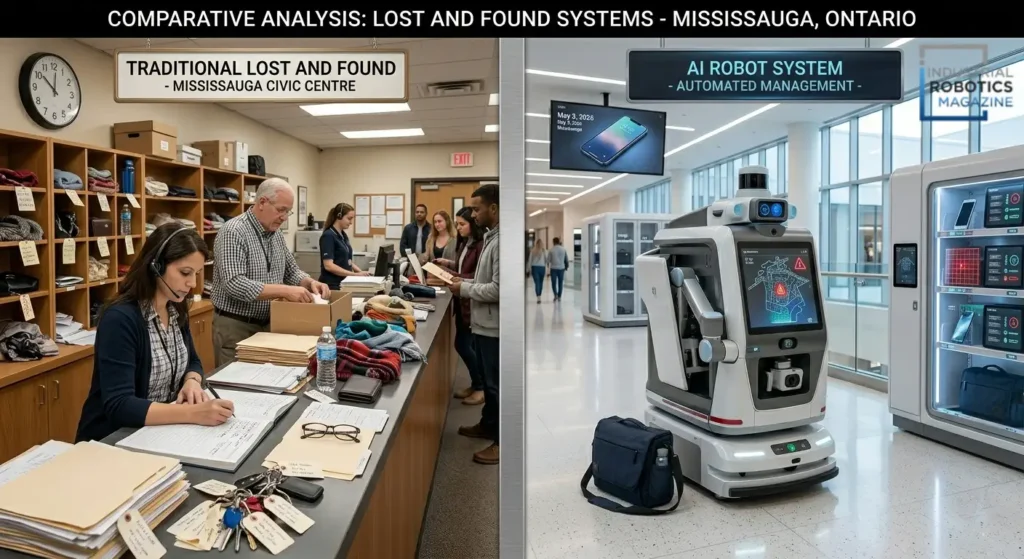
AI Robots vs Traditional Lost and Found Systems
| Feature | Traditional Systems | AI Robot Systems |
|---|---|---|
| Detection | Manual reporting | Automated detection |
| Speed | Slow and reactive | Real-time response |
| Accuracy | Inconsistent | High accuracy |
| Labor | High dependency | Reduced workload |
| Efficiency | Limited | Highly efficient |
Traditional systems rely on human reporting, which can be delayed or incomplete. AI robots, on the other hand, actively scan environments and detect items without waiting for reports.
Real World Challenges in Lost and Found Automation
While AI robots provide significant advantages, implementing them comes with challenges.
High-traffic environments create constant movement, making detection more complex.
Different types of objects require advanced recognition capabilities.
Privacy concerns must be addressed when using cameras and tracking systems.
Integration with existing infrastructure can be technically demanding.
These challenges require careful planning and advanced system design.
Real World Example
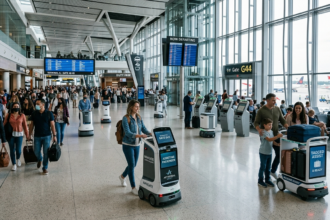
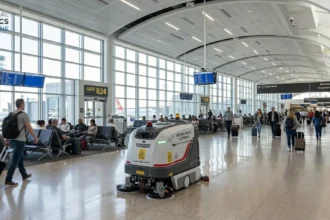
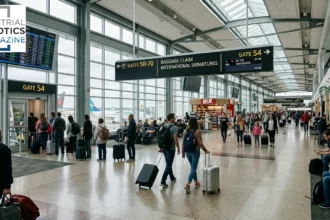
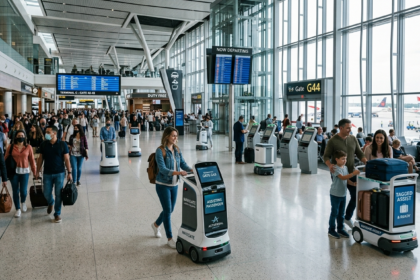
Airports are among the earliest adopters of AI robots for lost and found services. In large airports, passengers frequently misplace items due to time pressure and crowded environments. According to industry insights from IATA, airports are investing heavily in automation technologies.
AI robots can patrol terminals, detect unattended objects, and notify staff immediately. Some systems can even match items with reported claims, reducing recovery time significantly.
Companies working in automation and robotics have demonstrated how AI-driven systems can streamline lost and found operations, improve customer satisfaction, and reduce operational costs.
Benefits of AI Robots for Lost and Found Services
AI robots provide multiple advantages for organizations and users.
- Faster identification and recovery of lost items
- Reduced workload for staff
- Improved operational efficiency
- Better tracking and record management
- Enhanced customer experience
These benefits make AI robots a valuable addition to modern service environments.
Future of AI in Lost and Found Services
The future of AI robots in lost and found services is highly promising. As AI systems become more advanced, robots will be able to predict user behavior, identify patterns in lost items, and provide proactive solutions.
Integration with mobile apps and digital platforms could allow users to report lost items instantly and track recovery in real time. Robots may also collaborate with other systems such as security and facility management to create a fully automated ecosystem.
Conclusion
AI robots for lost and found services are transforming how organizations manage misplaced items. By combining artificial intelligence, automation, and robotics, these systems provide faster, more accurate, and efficient solutions compared to traditional methods. As technology continues to evolve, AI-driven lost and found systems will become an essential part of modern infrastructure.
FAQ
What are AI robots for lost and found services
They are autonomous systems that locate and manage lost items using artificial intelligence and sensors.
How do AI robots identify lost items
They use computer vision and machine learning to detect and analyze objects.
Where are these robots used
They are used in airports, malls, hospitals, and large facilities.
Do AI robots replace human staff
They assist staff by automating repetitive tasks but do not fully replace them.
Are AI lost and found systems reliable
Yes, they provide higher accuracy and faster response times than traditional systems.