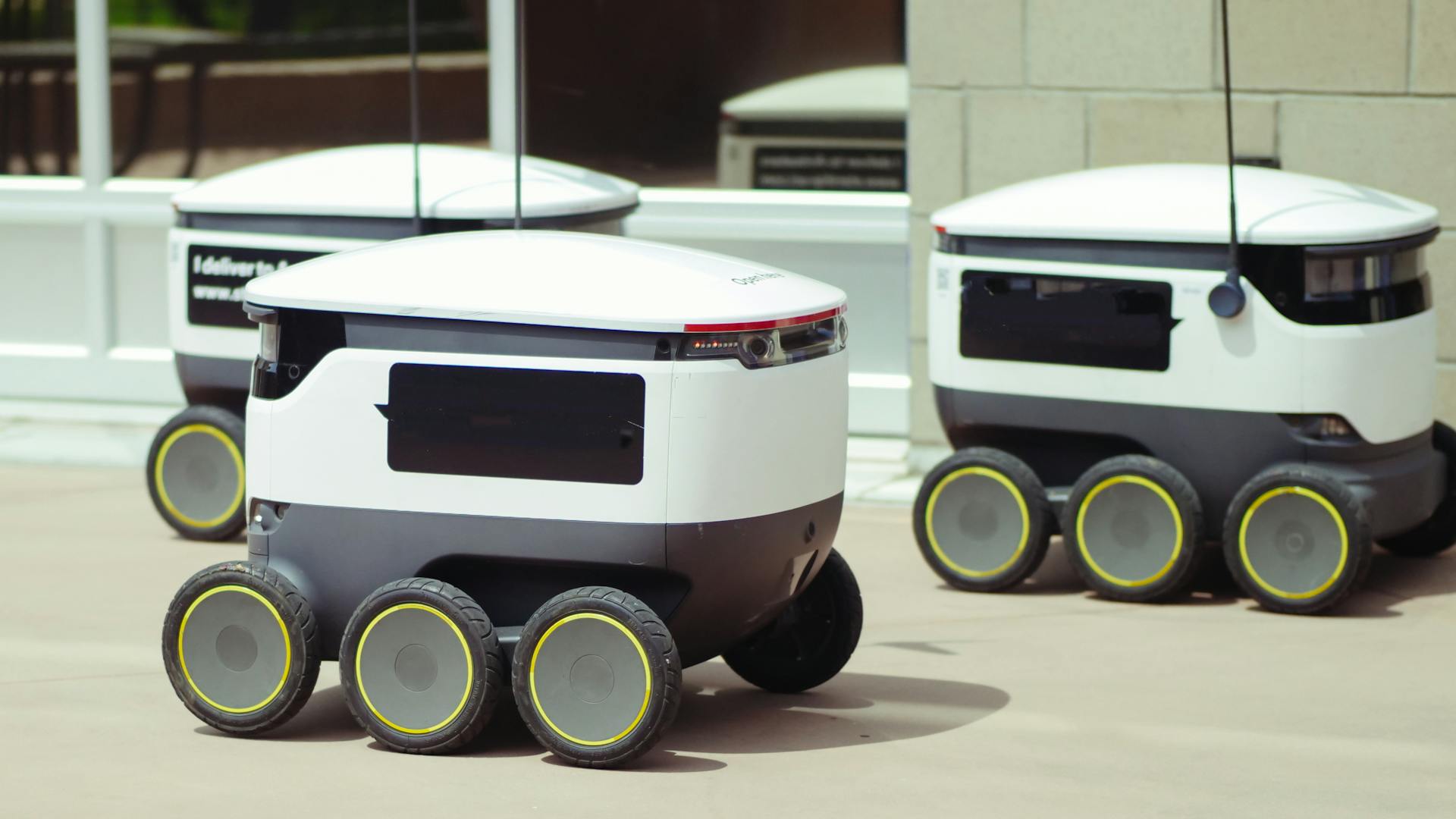


The Rise of Collaborative Robots: A New Era in Industrial Automation
In recent years, the landscape of industrial robotics has evolved significantly with the advent of collaborative robots, commonly known as cobots. These robots are designed to work alongside human operators, enhancing productivity while maintaining a safety-first approach. This blog post explores the functionality, advantages, and sector-specific applications of collaborative robots.
What are Collaborative Robots?
Collaborative robots—unlike traditional industrial robots—are designed to share a workspace with humans. Here are some key characteristics:
- Safety: Cobots are equipped with sensors to detect human presence and stop operation to prevent accidents.
- User-Friendly: They often feature intuitive interfaces that allow non-experts to program and operate them without specialized knowledge.
- Versatile: Cobots can be used across various industries for a multitude of tasks, from assembly to packaging.
Advantages of Collaborative Robots
The integration of cobots into production lines offers numerous benefits for businesses:
- Increased Efficiency: Cobots can perform repetitive tasks with speed and precision, freeing human workers for more complex duties.
- Cost-Effective: With lower initial investment costs and reduced need for safety barriers, cobots offer a smart solution for many businesses.
- Flexibility: They can be easily reprogrammed and redeployed for different tasks as production needs change.
- Enhanced Worker Safety: By taking over dangerous or ergonomically challenging tasks, cobots help reduce workplace injuries.
Industry Applications of Collaborative Robots
Collaborative robots are revolutionizing a variety of sectors. Let’s delve into specific industries benefiting from their deployment:
1. Manufacturing
Cobots assist in assembly lines where they handle tasks such as screwing, welding, and picking. For instance, companies like Universal Robots have introduced cobots that are used for assembling products in consumer electronics.
2. Food and Beverage
In the food industry, cobots are utilized for sorting, packaging, and quality control. An example includes the use of collaborative robots in packaging lines where they can work with workers to package items efficiently.
3. Healthcare
Cobots are also being implemented in healthcare settings for tasks such as medication dispensing and surgical assistance, providing critical support to staff and enhancing patient safety.
Tips for Implementing Collaborative Robots
Considering introducing cobots to your facility? Here are some tips:
- Assess Your Needs: Identify the tasks that can be automated and determine how a cobot can enhance operation.
- Involve Your Team: Engage your workforce early in the process to ease the transition and encourage acceptance of new technology.
- Start Small: Consider piloting a cobot in a single application to evaluate performance before scaling up.
- Choose the Right Cobot: Research different models to find the one that best fits your specific industrial needs.
Conclusion
The integration of collaborative robots in industrial settings represents a significant step forward in automation. As they enhance safety, efficiency, and flexibility in various sectors, cobots are paving the way for a new era in industrial robotics. Companies willing to embrace these technologies can look forward to improved productivity and a healthier work environment, signifying a brighter future for both workers and industries alike.